- EN
-

Growing strawberries year-round is an exciting possibility, especially when utilizing hydroponic strawberry containers. These systems offer a way to cultivate fresh, juicy strawberries regardless of the season, providing a reliable and sustainable method of production. By using hydroponic containers specifically designed for strawberries, urban farmers, hobby gardeners, and commercial growers can enjoy consistent strawberry yields throughout the year, even in regions with harsh winters or limited outdoor growing spaces. This article will explore how hydroponic strawberry containers enable year-round strawberry harvesting, focusing on their setup, benefits, and the potential for high-quality, fresh produce all year long.
Hydroponic strawberry containers use a water-based system to deliver nutrients directly to the roots of the strawberry plants. Unlike traditional soil-based farming, these containers rely on a nutrient solution to feed the plants, eliminating the need for soil altogether. The system ensures that the plants get exactly what they need in terms of nutrients and water, promoting healthy growth and rapid fruiting. The controlled environment within the hydroponic system allows for optimal conditions year-round, as temperature, light, and humidity levels can be easily regulated.
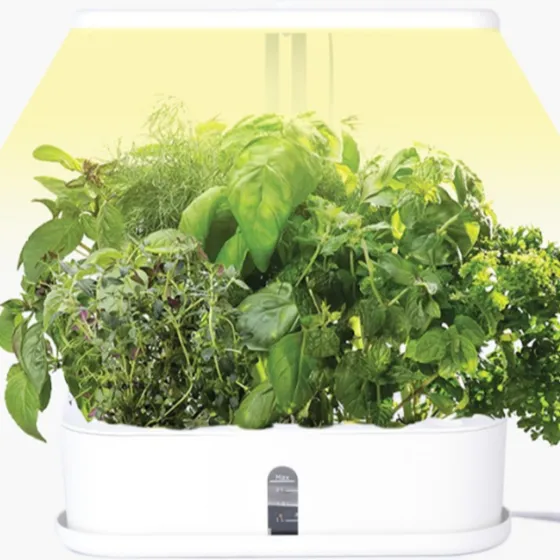
The design of the hydroponic strawberry container is ideal for year-round production. These containers are compact and can be placed indoors or outdoors, making them suitable for various growing environments. Whether it's a greenhouse, or an indoor garden, hydroponic strawberry containers are designed to maximize space and efficiency. With the right setup, including appropriate lighting and temperature control, strawberries can grow throughout the year without being affected by seasonal changes. This consistency in growth is a key reason why many growers are turning to hydroponic systems for strawberry cultivation.
One of the major benefits of using hydroponic strawberry containers for year-round harvesting is the ability to produce consistent yields. Since hydroponic systems provide controlled environments, factors such as pests, diseases, and unpredictable weather conditions are minimized. Strawberries can be grown in a protected space, free from the challenges of soil degradation or contamination. This results in healthier plants and higher yields, which can be harvested at regular intervals throughout the year.
Furthermore, hydroponic strawberry containers are highly efficient in terms of water and nutrient use. Unlike traditional soil-based farming, where water and nutrients can be wasted, hydroponic systems use a closed-loop system where water is recycled, and nutrients are delivered directly to the plant roots. This efficiency allows growers to minimize waste while maximizing productivity. With year-round harvesting, the consistent nutrient supply in a hydroponic system ensures that the plants remain healthy and productive, which directly impacts the quantity and quality of the harvest.
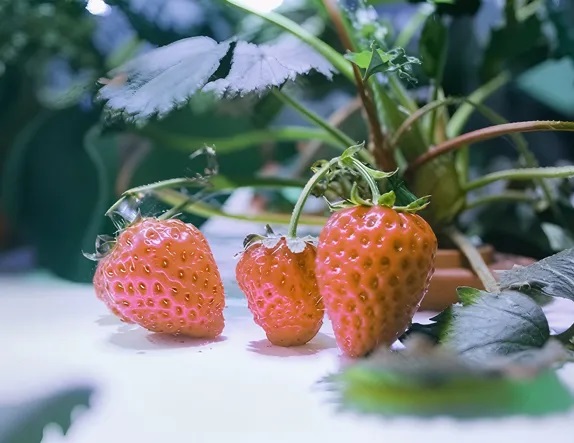
To successfully grow strawberries year-round using hydroponic strawberry containers, controlling the growing environment is essential. One of the most important factors to consider is lighting. While outdoor strawberries rely on natural sunlight, indoor hydroponic systems require artificial lighting to ensure plants receive sufficient light for photosynthesis, especially during shorter winter days. LED grow lights are commonly used in hydroponic strawberry containers, providing the right spectrum of light for optimal plant growth.
In addition to lighting, temperature control is another crucial element for year-round strawberry production. Strawberries thrive in a temperate range, typically between 60-75°F (15-24°C). By using heating or cooling systems in conjunction with hydroponic strawberry containers, growers can maintain a consistent temperature throughout the year, ensuring optimal conditions for fruit development. Whether grown indoors or in a greenhouse, maintaining the right temperature ensures that strawberries continue to grow and produce fruit during all seasons.
Urban farming has become increasingly popular, and hydroponic strawberry containers are an excellent solution for those looking to grow their own food in limited spaces. With hydroponic strawberry containers, urban gardeners can enjoy fresh strawberries year-round, regardless of the outside climate. The compact nature of the containers also means that they can be easily moved to optimize light exposure or to protect plants from extreme weather.
In addition to their space-saving benefits, hydroponic strawberry containers are also a sustainable option for urban food production. Since hydroponic systems use significantly less water than traditional farming methods, they are an environmentally friendly choice for urban areas, where water conservation is crucial. By growing strawberries indoors or in small, controlled outdoor environments, growers can reduce their carbon footprint and contribute to local food production, all while enjoying fresh, homegrown strawberries year-round.
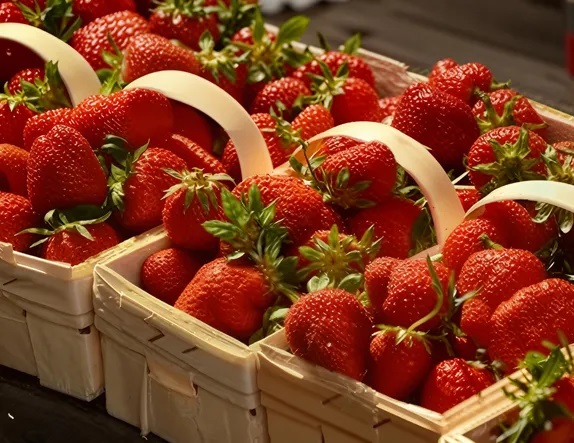
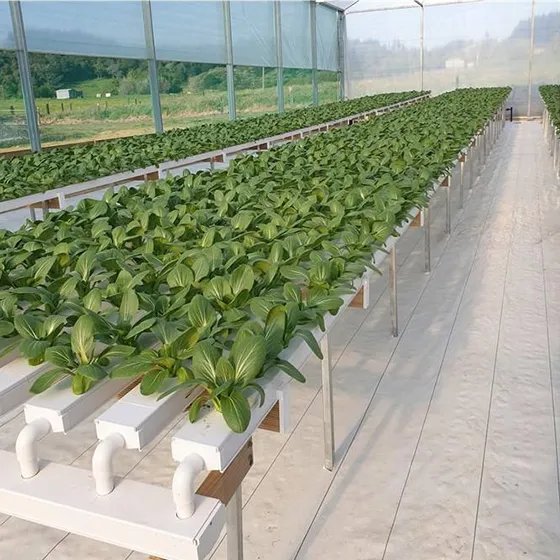
While hydroponic strawberry containers are great for small-scale gardening and home use, they also have significant potential in commercial strawberry production. As demand for local, fresh produce grows, commercial growers are increasingly turning to hydroponic systems to provide consistent, high-quality strawberries year-round. With hydroponic strawberry containers, commercial operations can scale up production while maintaining control over environmental factors that impact crop yields. By using multiple hydroponic systems, large-scale strawberry farms can produce strawberries continuously, meeting the demands of supermarkets, restaurants, and consumers who expect fresh produce throughout the year.
Additionally, the efficiency of hydroponic strawberry containers in resource usage — particularly in water and nutrients — makes them a cost-effective choice for commercial growers. As the technology continues to evolve, we can expect more innovations in hydroponic strawberry systems, including automated nutrient delivery, environmental monitoring, and advanced climate control, which will further optimize year-round strawberry production.
Hydroponic strawberry containers provide a unique and efficient solution for year-round strawberry harvesting, offering numerous benefits for both home gardeners and commercial growers. By providing a controlled, space-efficient, and resource-efficient growing environment, these systems allow for consistent, high-quality strawberry production throughout the year, regardless of external seasonal conditions. Whether you're looking to grow strawberries in a small urban space or scale up to meet commercial demands, hydroponic strawberry containers offer the flexibility and reliability needed for successful, year-round crop production.