- EN
-

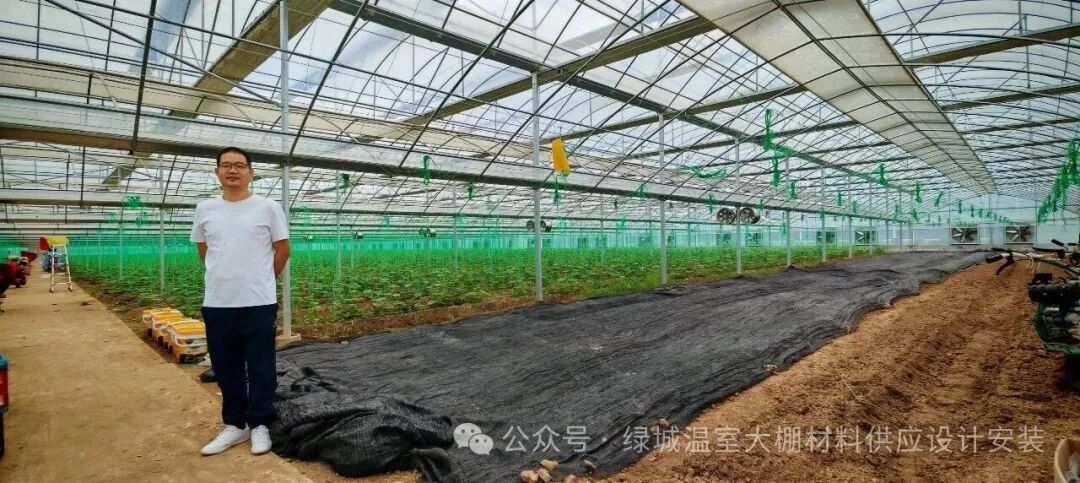
When new-generation farmers can control temperature, light, water, and air in hundreds of mu of greenhouses with a tap on their phones, and when "space-grade" vegetables with doubled nutrition and ready-to-eat convenience appear on supermarket shelves, agricultural production is undergoing a dual revolution—from "growing well" to "growing excellently." The "IoT brain" of smart greenhouses and the "precision cultivation" of super greenhouses have redefined the boundaries of modern agriculture from two dimensions: production models and product quality, transforming traditional agriculture into a quantifiable, controllable, and optimizable high-tech industry.
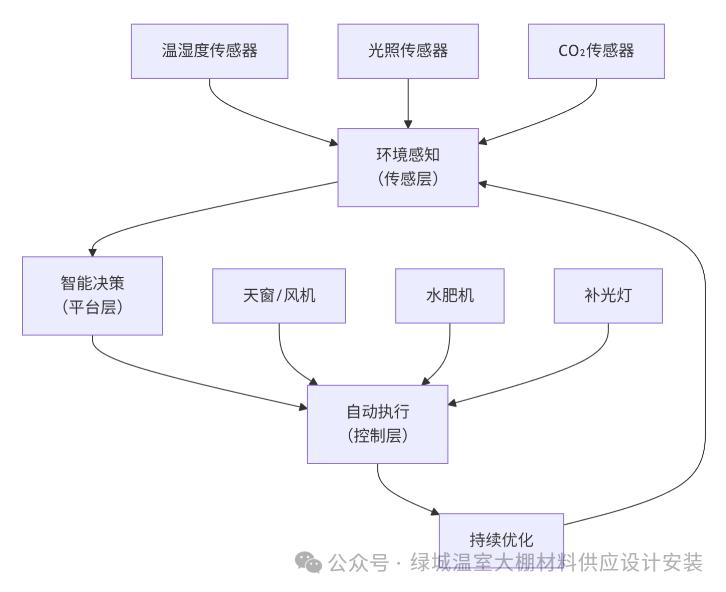
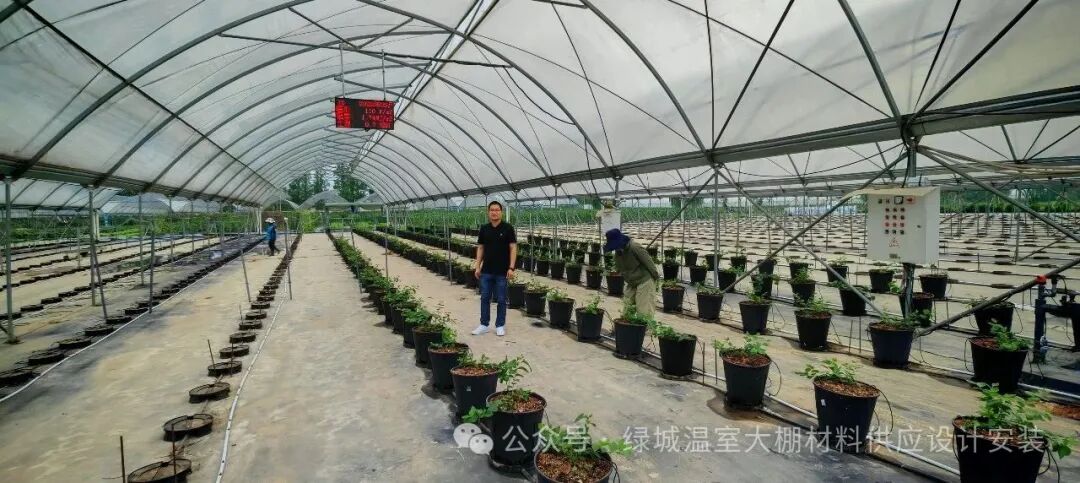
The core of smart greenhouses lies in realizing efficient and intelligent agricultural production through the Internet of Things. This intelligent system, composed of a sensing layer, a platform layer, and a control layer, temperature and humidity sensors, light sensors, and CO₂ sensors capture real-time environmental data; the platform layer makes intelligent decisions through data analysis; and equipment such as skylights, fans, and water-fertilizer integrated machines automatically execute adjustments. This operational model has completely changed the production logic of traditional agriculture—farmers no longer rely on "veteran experience" but manage precisely with real-time data; they can remotely control the entire operation with a single mobile phone; instead of passively responding to pest outbreaks or extreme weather, the system provides early warnings to mitigate risks. Real-world cases confirm the transformative impact of technology on agricultural output and efficiency: smart greenhouses in Shouguang, Shandong, have increased tomato yields by 35% while saving 50% of water and fertilizers; plant factories in Beijing have shortened the growth cycle of lettuce to 30 days, achieving 12 harvests per year; and greenhouses in the Gobi desert of Xinjiang have successfully cultivated tropical fruits in arid regions.
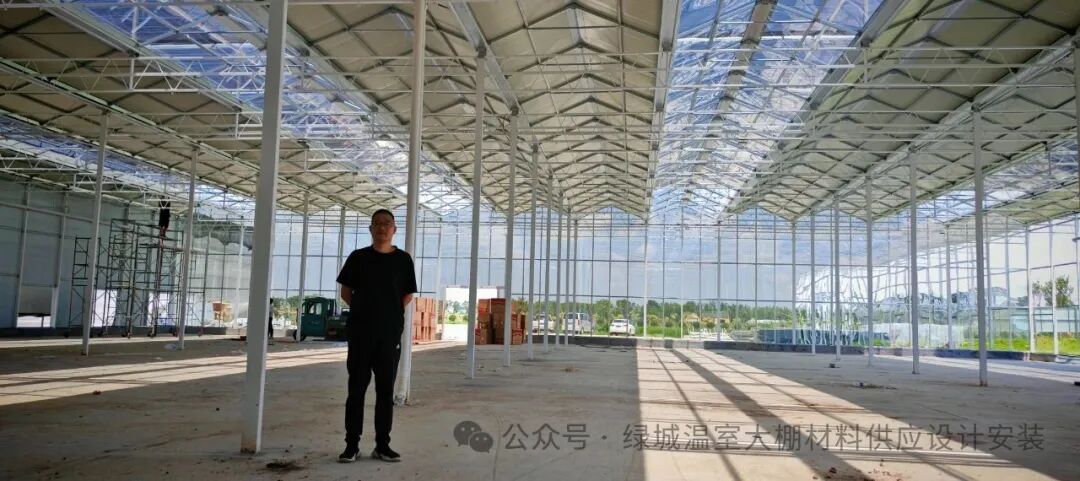
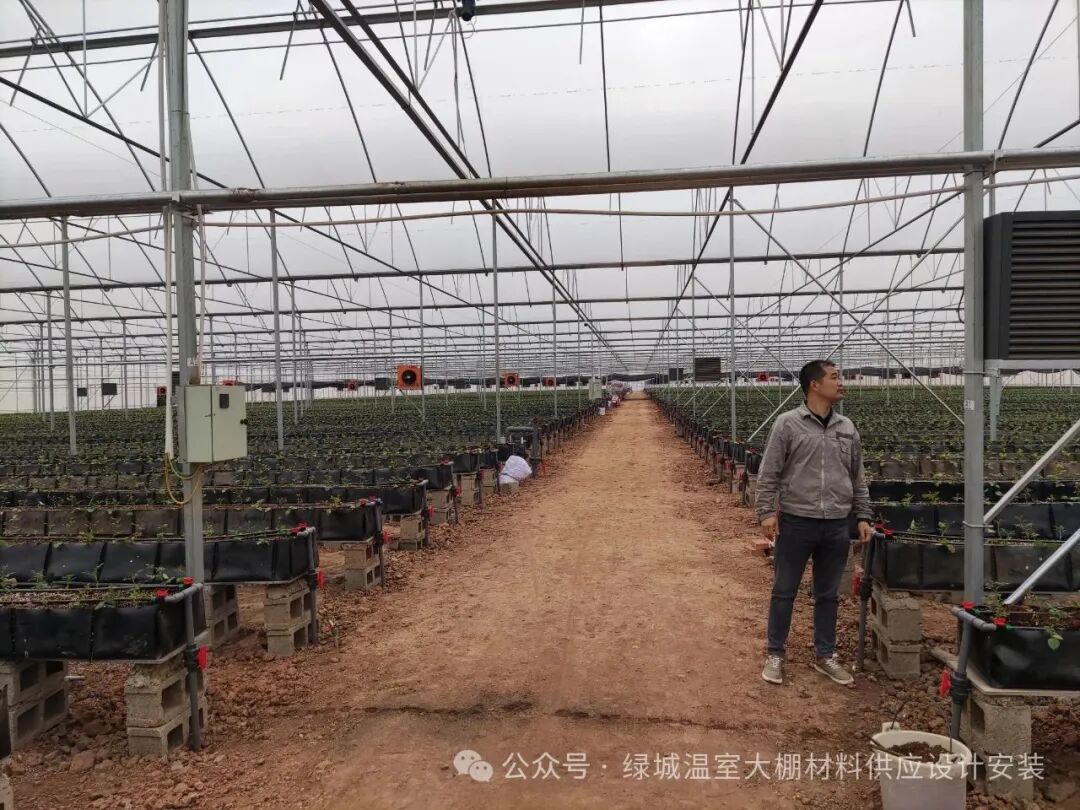
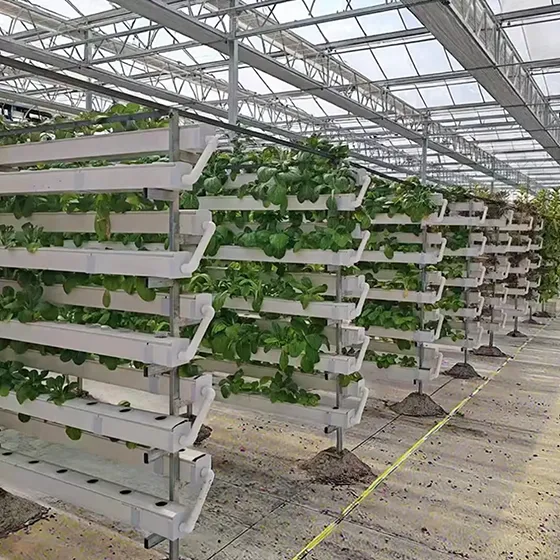
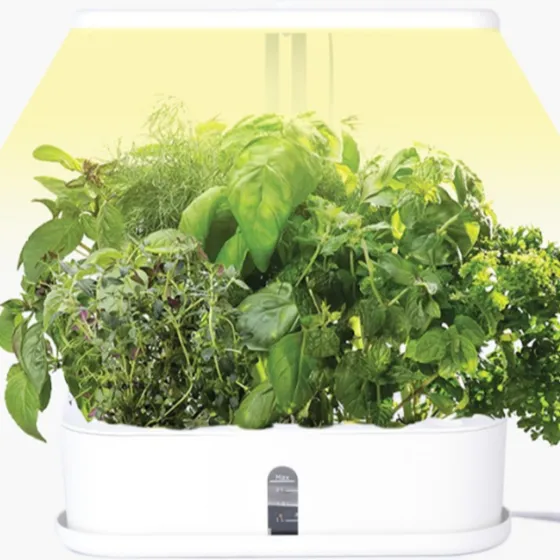
If smart greenhouses solve the problem of "how to farm efficiently," super greenhouses focus on "how to grow higher-quality crops," spawning high-end agricultural products known as "space-grade" vegetables. The term "space-grade" represents a rigorous quality standard: ultimate safety with no pathogenic bacteria, no pesticide residues, and no heavy metal pollution, enabling ready-to-eat consumption without washing; nutritional enhancement with doubled content of core nutrients such as vitamins and antioxidants; and consistent quality in taste, flavor, and size. In terms of environmental control, super greenhouses have abandoned the "extensive stability maintenance" of ordinary greenhouses and shifted to "precision refinement"—adopting red-blue LED lights to customize "light formulas" that actively stimulate the synthesis of secondary metabolites in crops; and constructing fully enclosed sterile growing environments through positive pressure filtration, sterile cultivation, reverse osmosis water purification, and other systems. In variety breeding, the goal has evolved from "high yield and disease resistance" to "prioritizing flavor and nutrition."
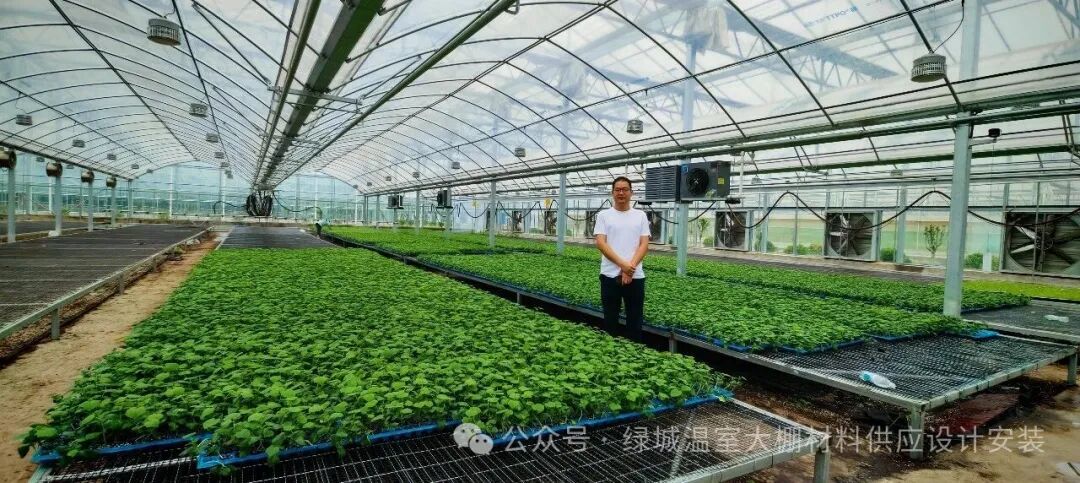
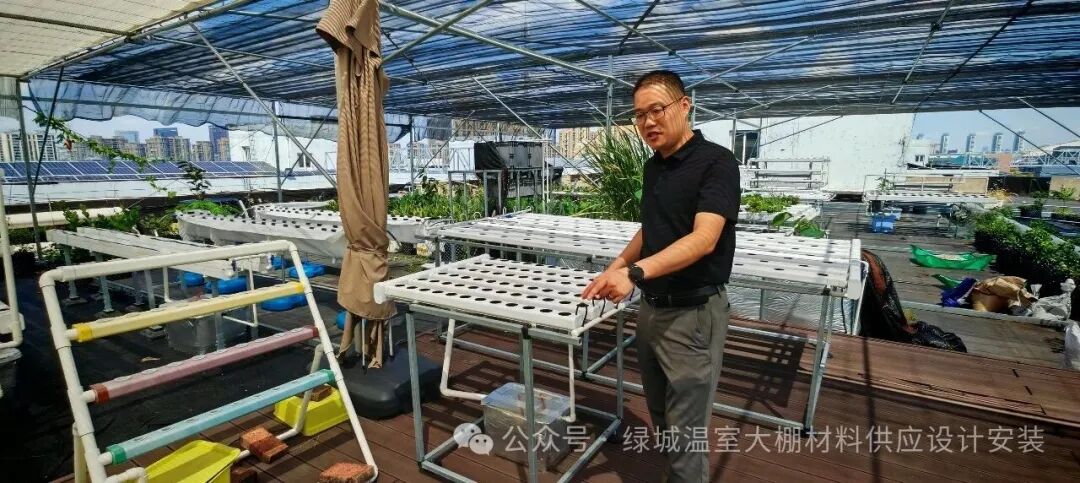
These two agricultural revolutions collectively point to the core development direction of modern agriculture: using technology to break the constraints of natural conditions and replacing experience-based production with precision management. Smart greenhouses have liberated farmers' hands through "data-driven farming"; super greenhouses have met consumers' growing demand for food safety and nutritional health through "quality-oriented breeding," upgrading agricultural products from "satisfying basic needs" to "pursuing premium quality." The combination of the two has built a full-chain upgrading solution from production to consumption—ensuring stable supply of agricultural products while enhancing their core value.