- EN
-

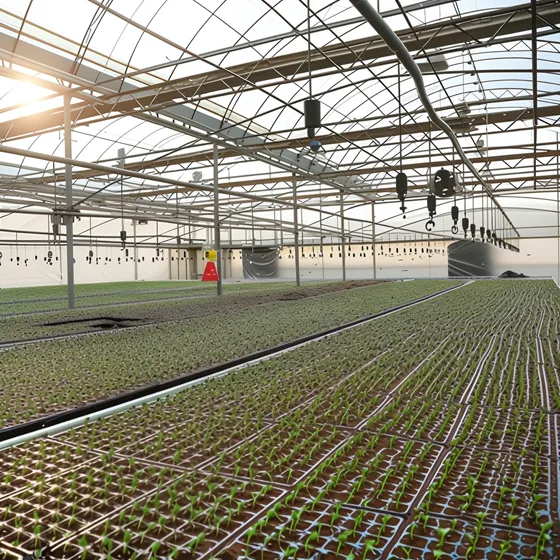
On January 9, heavy snow swept across the area, driving down outdoor temperatures, yet the agricultural base buzzed with activity: the construction team braved the snow to complete the assembly and debugging of the intelligent greenhouse and its supporting heating system, ensuring the client’s spring planting plan proceeds as scheduled.
Early that morning, with snow accumulated at the base, the entire construction team entered the site equipped with non-slip shoes and cold-resistant gloves. Their top priority was to build the greenhouse’s steel frame: team members split up to carry components, calibrated the frame’s verticality against wind and snow, and finished the main frame in just a few hours. They then worked together to secure the greenhouse film, repeatedly tightening the edges to prevent air leakage and ensure the shed’s insulation met standards.
Once the main greenhouse structure was completed, the team immediately moved on to the external heating equipment: the hot-air main unit, insulated unit, and stainless steel heat storage tank on-site were all covered in a light layer of snow. The team first cleared the snow from the equipment, then connected the pipes and wiring, while simultaneously debugging the temperature control system — setting the operating logic that “the equipment starts automatically when the shed temperature drops low” — a process that took only 3 hours.
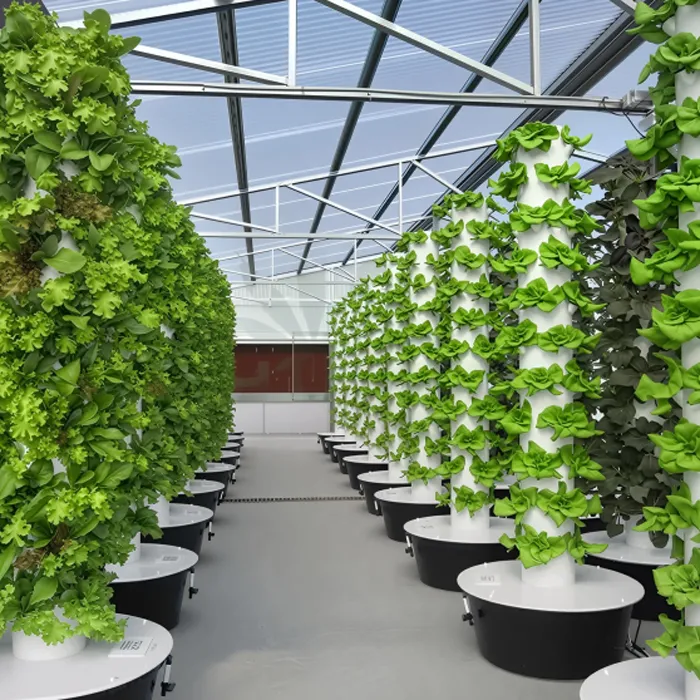
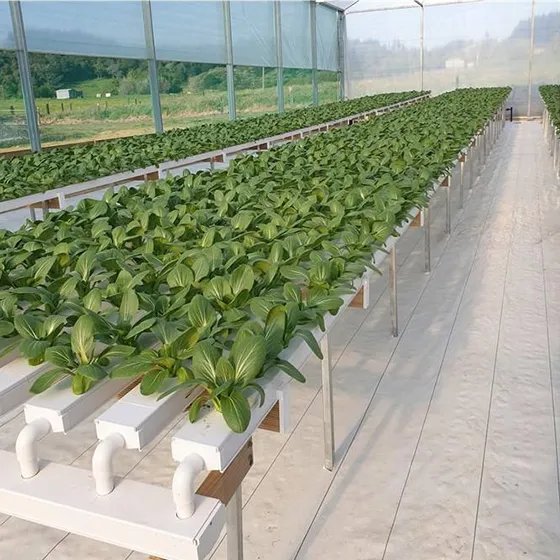
The planting supervisor of the client stated that this greenhouse will be used for winter seedling cultivation of lettuce and choy sum, and the commissioning of the heating equipment has solved the problem of seedling cultivation in low temperatures.
The construction team leader noted: “We prepared a snow operation plan in advance, prioritizing the stability of the shed structure and the normal function of the equipment, to avoid disrupting the client’s planting schedule.” By the evening of the same day, the trial operation of the greenhouse and heating system was fully normal, with indicators such as temperature and sealing meeting the design requirements.
This snow-braving construction not only ensures the on-time delivery of agricultural facilities but also accumulates practical experience for outdoor operations of winter agricultural projects.