- EN
-

The NFT hydroponic equipment has become a popular solution for efficient and sustainable farming, offering high crop yields in a compact space. With its unique Nutrient Film Technique (NFT), this system provides plants with a constant flow of nutrient-rich water, which promotes faster growth and healthier plants. As one of the most effective hydroponic systems, it supports a wide variety of crops, making it suitable for both commercial and home use. In this article, we will explore the types of crops that thrive in an NFT hydroponic system, highlighting the versatility of this system and its potential for diverse agricultural applications.
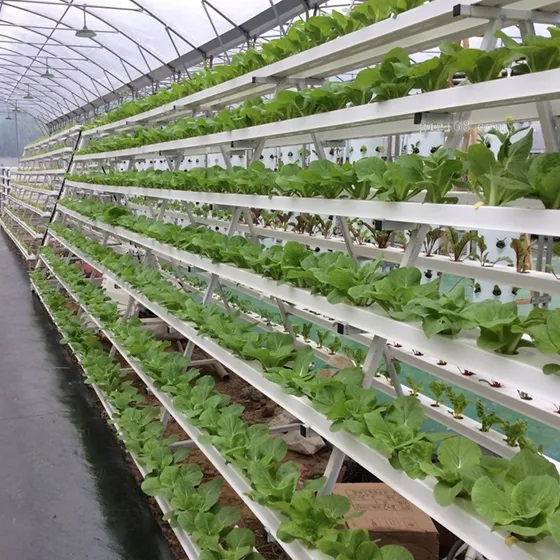
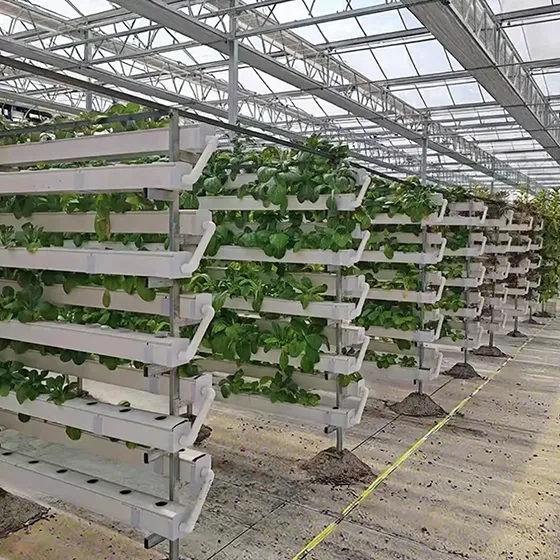
The NFT hydroponic equipment is best suited for crops that do not require deep root systems. Since the system relies on a thin film of nutrient solution running over the plant roots, it is more effective for crops with shallow root structures. Leafy greens such as lettuce, spinach, and kale, are among the most common crops grown in an NFT hydroponic system. These crops benefit greatly from the system's ability to provide a steady supply of nutrients and oxygen to their roots, resulting in faster growth and high-quality produce.
Herbs are another excellent choice for hydroponic NFT equipment. Crops like basil, cilantro, mint, and parsley thrive in the controlled environment of an NFT system. These herbs not only grow quickly but also require minimal space, making them ideal for vertical farming systems where maximizing space is a key consideration. The precise nutrient management and consistent water flow provided by the NFT hydroponic system ensure that herbs are produced with high flavor and aromatic quality.
Additionally, small fruiting plants such as strawberries and small tomatoes can be successfully grown in NFT hydroponic systems. While these plants have slightly deeper root systems than leafy greens or herbs, they can still thrive in the shallow root zone of the NFT setup, provided that the system is properly designed and maintained. The constant nutrient delivery and the ability to control environmental factors such as light, temperature, and humidity create optimal growing conditions for these types of plants.
While NFT hydroponic systems are versatile, they are not ideal for all types of plants. Crops with deep or extensive root systems, such as large fruiting plants like cucumbers or melons, may struggle in NFT systems. These crops require more substantial root support and a larger volume of water to support their growth. The hydroponic NFT equipment is less effective for such plants due to the shallow nutrient film, which does not provide the deep water reservoir needed for large root systems. For these types of plants, other hydroponic methods, such as deep water culture (DWC) or aeroponics, might be better suited.
Similarly, root vegetables like carrots, beets, and radishes are not well-suited for NFT systems. These crops require more space for their roots to grow and are better suited for systems that allow for deeper growing mediums, where the roots can expand freely. The shallow flow of the nutrient solution in an NFT hydroponic system does not provide the root zone space that these plants need for proper development.
The hydroponic NFT equipment excels in growing leafy greens and herbs due to the nature of the system. Since these crops do not have deep roots, the NFT system provides a perfect environment for them. The continuous nutrient flow ensures that plants receive the exact amount of nutrients they need, promoting rapid growth. Additionally, the system's efficient water usage helps reduce waste, making it an ideal choice for resource-conscious growers.
Leafy greens such as lettuce and spinach benefit from the constant nutrient availability provided by the NFT hydroponic system. These crops are particularly sensitive to nutrient imbalances, and the precise control over nutrient delivery in an NFT system ensures that they receive a balanced supply of minerals. The high oxygenation in the root zone also leads to healthier plants and faster growth rates. This makes the system perfect for both small-scale and large-scale production, as it maximizes yield while minimizing resource consumption.
The adaptability of hydroponic NFT equipment to a wide range of crops makes it a key component in sustainable agriculture. With the ability to produce high-quality, high-yield crops in a controlled environment, the NFT hydroponic system offers a solution to the challenges posed by traditional farming methods. The efficient use of water and nutrients reduces environmental impact, while the ability to grow crops in smaller spaces addresses the issue of land scarcity, especially in urban areas.
Furthermore, by reducing the need for pesticides and herbicides, NFT hydroponic systems contribute to cleaner food production. The closed-loop system ensures that water and nutrients are recycled, minimizing waste and making it a more sustainable alternative to conventional farming. This system also provides the flexibility to grow crops year-round, independent of seasonal weather conditions, which helps increase food security.
In conclusion, NFT hydroponic equipment provides an efficient and sustainable way to grow a wide variety of crops, with a particular focus on leafy greens, herbs, and smaller fruiting plants. The system's design allows for precise nutrient delivery, maximizing plant health and growth rates while minimizing resource consumption. However, it is essential to consider the plant's root system and growth requirements when choosing crops for an NFT hydroponic system. For those looking to explore this innovative agricultural method, NFT hydroponic systems manufacturers like Hydroblue offer excellent solutions for both small and large-scale growing operations.