- EN
-

Not long ago, "foreign greenhouses" with multi-million yuan investment and fully imported technology could meet the needs of large-scale cultivation, but they plagued Chinese agricultural practitioners with three major pain points: high energy consumption, reliance on imports, and low control precision. Today, this situation has been completely reversed - in Shouguang, Shandong, known as "China's Vegetable Capital", an 80,000-square-meter domestic multi-span glass greenhouse has emerged, declaring the rise of independent technology with solid data: winter heating energy consumption plummets by over 50%, overall thermal insulation performance increases by 36%, and light utilization efficiency rises by 20%. Behind this counterattack lies a triple breakthrough in structure, intelligence, and localized innovation.
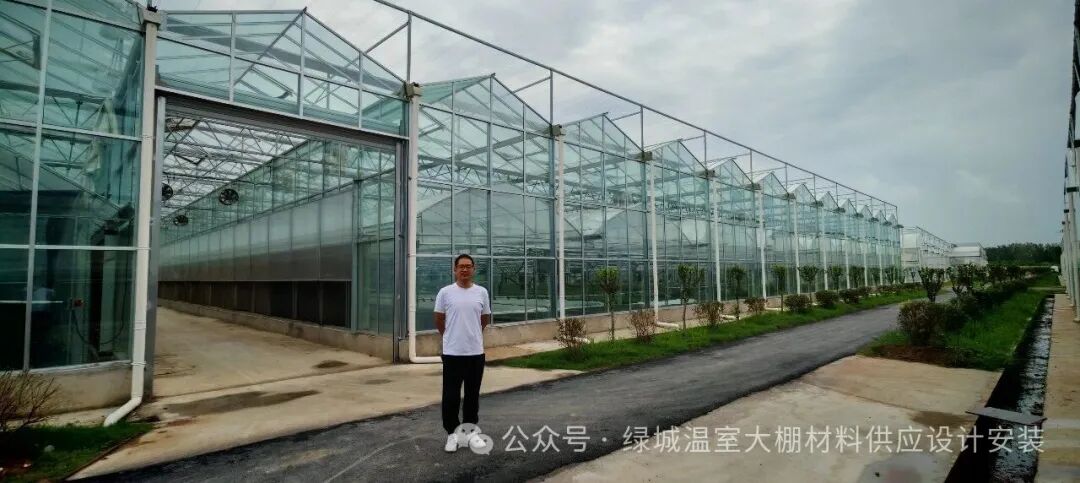
The core innovation of the domestic greenhouse stems from a subversive "genetic recombination" - absorbing the "essence" of Chinese solar greenhouses and integrating the "form" of Dutch Venlo greenhouses to create a unique structure of "sunken design, large slope, and external insulation", achieving an effect of 1+1>2.
The ingenuity of "sinking 1 meter" transforms the greenhouse into a natural constant-temperature space. The natural insulation system is constructed by sinking the ground nearly 1 m and using the huge heat storage characteristic of soil, maintaining stable indoor temperature without additional energy consumption. Meanwhile, the use of domestic triple-glazed double-cavity glass, with its double-layer insulating structure, firmly locking in heat and achieving a qualitative leap in thermal insulation performance. The feat of halving energy consumption is accomplished solely through structural innovation.
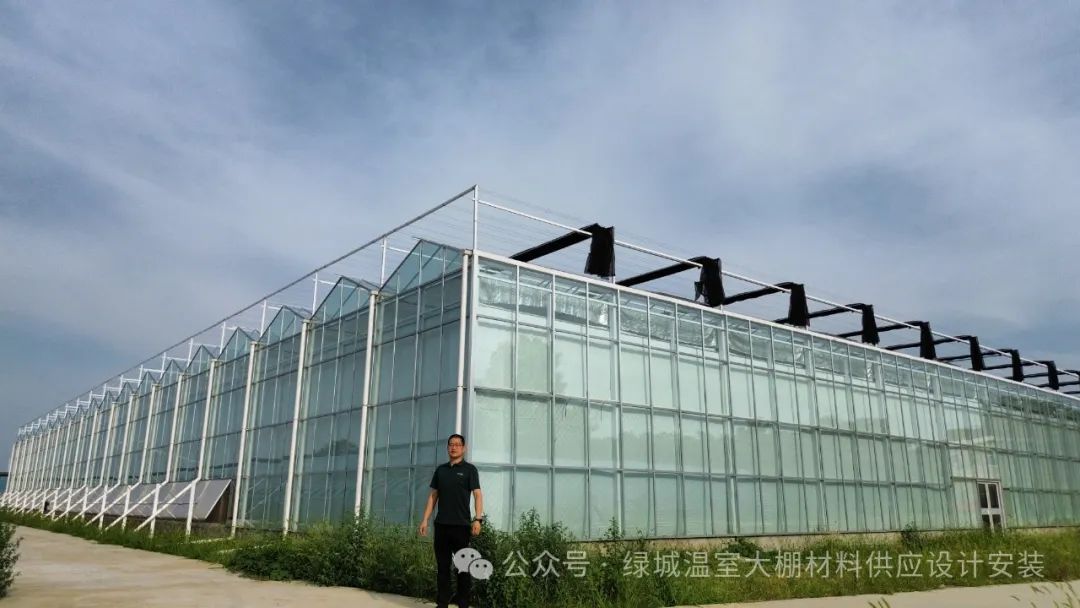
The R&D team broke through traditional designs by moving the insulation quilt from the interior to the external gutter, enabling flexible sliding. Like a meticulous housekeeper, the IoT system tracks the sun's position in real time, implementing precise zone-specific and time-specific control of the insulation quilt: automatically rolling up the eastern insulation quilt in the morning to capture the first ray of sunlight and quickly warm the interior; flexibly adjusting it in the afternoon based on real-time light and temperature data to maximize the use of natural energy. This intelligent system increases light utilization efficiency by an additional 20%, achieving a leap from "passive insulation" to "active regulation".
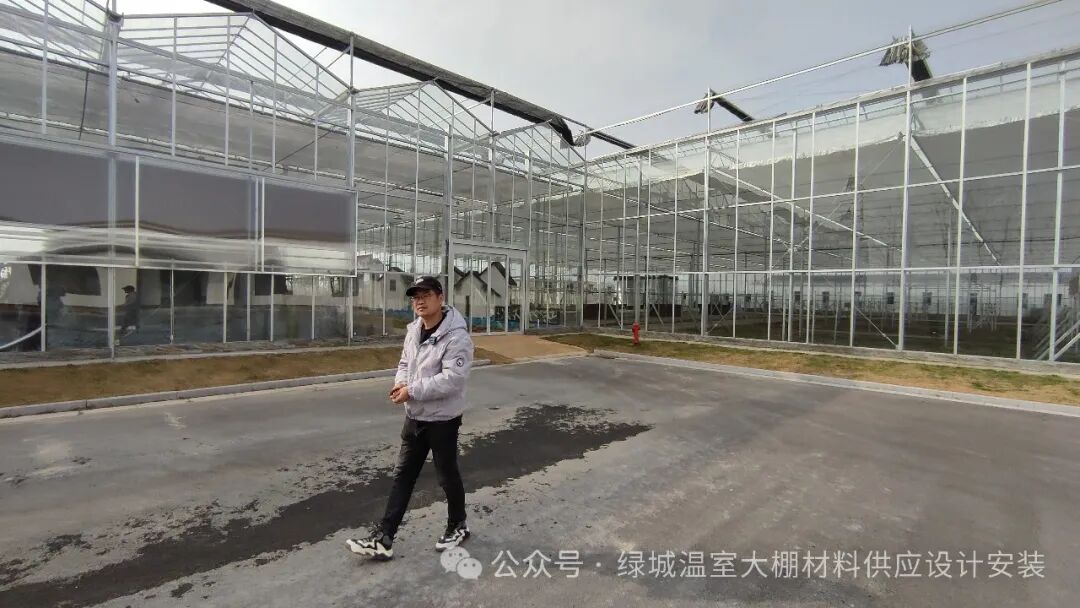
The success of this greenhouse goes far beyond the breakthrough of a single facility. It signifies that China's greenhouse industry has moved beyond simple technological catch-up and entered a new stage of system-level innovation - by deeply integrating China's local climatic conditions with cutting-edge digital technologies, it has created a more energy-efficient, high-performance, and cost-effective domestic intelligent greenhouse solution.
This is not only a technological counterattack but also an innovation in development paradigm. Once dependent on imports in the field of agricultural equipment, China is now taking localized innovation as the core and forging an intelligent path suitable for national conditions. The rise of domestic intelligent greenhouses not only reduces costs and increases efficiency in agricultural production but also injects strong momentum into the modernization and intelligence of Chinese agriculture, allowing the world to witness the solid strength of China's agricultural technology.