- EN
-

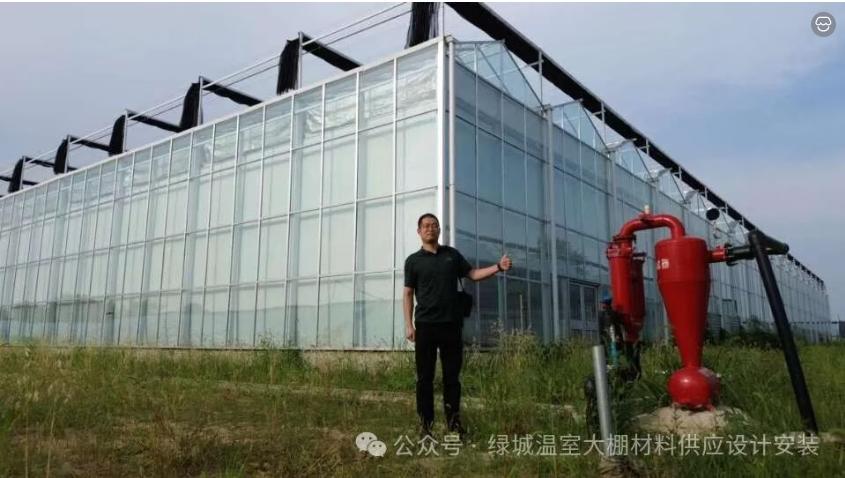
For high-investment glass greenhouses, achieving the comprehensive goals of energy conservation, labor saving, quality improvement, and efficiency enhancement relies on refined daily agronomic management. Good agronomic management itself is the most economical environmental control system. Through a series of source regulation measures, it can not only reduce humidity inside the greenhouse and minimize disease occurrence but also significantly lower energy consumption for environmental control, making greenhouse operation more cost-effective and sustainable.
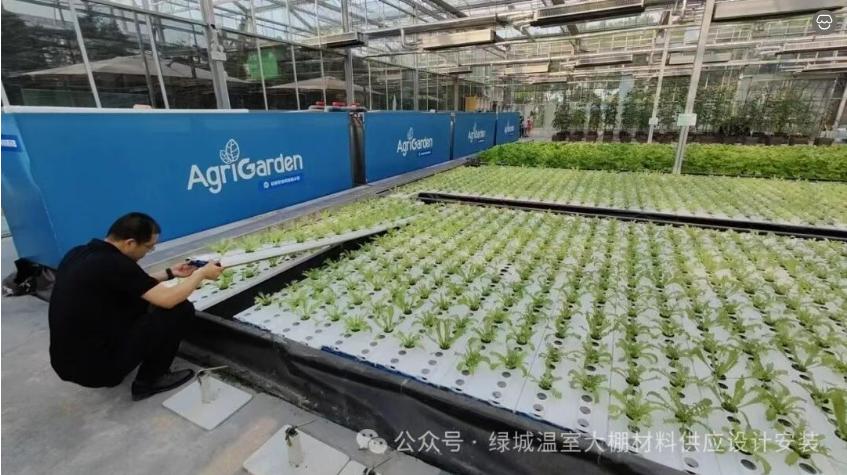
1. Precise Water Management: Cut Off the Source of Moisture
Moisture evaporation is the main cause of high humidity in the greenhouse, so precise water supply becomes the primary task of humidity reduction. Adopting subsurface drip irrigation or seepage irrigation technology to deliver water directly to the root zone of crops can reduce air humidity by 15%-30%, significantly lowering energy consumption for ventilation and heating in winter. Irrigation should follow the principle of "observing weather and crop conditions", carried out on sunny mornings with a "small and frequent" approach to avoid continuous evaporation caused by saturated soil moisture. Utilize daytime temperature rise and ventilation for natural dehumidification, avoiding high humidity environments at night.
2. Optimization of Cultivation Patterns: Create a Healthy Microenvironment
Adjust the physical layout to provide crops with well-ventilated and well-lit growing conditions. Implement high-ridge cultivation (25-35 cm in height) to increase soil surface area, facilitating root zone aeration and drainage, and the furrows can serve as natural ventilation channels. Cover the ground with black-and-white dual-purpose plastic film: the white side reflects light to supplement illumination, while the black side inhibits soil moisture evaporation and weed growth, achieving dual effects to strengthen humidity reduction. Rational dense planting is also crucial; adopt wide-narrow row spacing configuration (e.g., 80 cm for wide rows and 50 cm for narrow rows) to ensure good ventilation and light transmission within the crop canopy even in the middle and late growth stages.
3. Proactive Plant Regulation: Maintain Canopy Ventilation
A dense crop canopy tends to form a high-humidity environment, becoming a hotbed for disease breeding. Regular pruning and leaf removal—timely eliminating old, diseased, yellow leaves and overcrowded side branches—can greatly improve ventilation and light transmission inside the canopy, allowing dew on leaves to dry quickly and blocking the occurrence of humidity-loving diseases such as gray mold and downy mildew from the environmental perspective.
4. Soil and Crop Health: Enhance Stress Resistance
Healthy soil and robust crops are the foundation for resisting stress and diseases. Applying organic fertilizers can cultivate soil with good aggregate structure, turning it into a "water and fertilizer bank" to improve water and fertilizer retention capacity and avoid the impact of sudden drought and waterlogging on crops. Balanced fertilization is equally important: avoid excessive nitrogen fertilizer that causes excessive and weak plant growth and dense canopy. Increasing the application of phosphorus, potassium, and calcium fertilizers can make plant stems sturdy and significantly improve their inherent disease resistance.
5. Seasonal Greenhouse Fallow Disinfection: Purify the Planting Environment
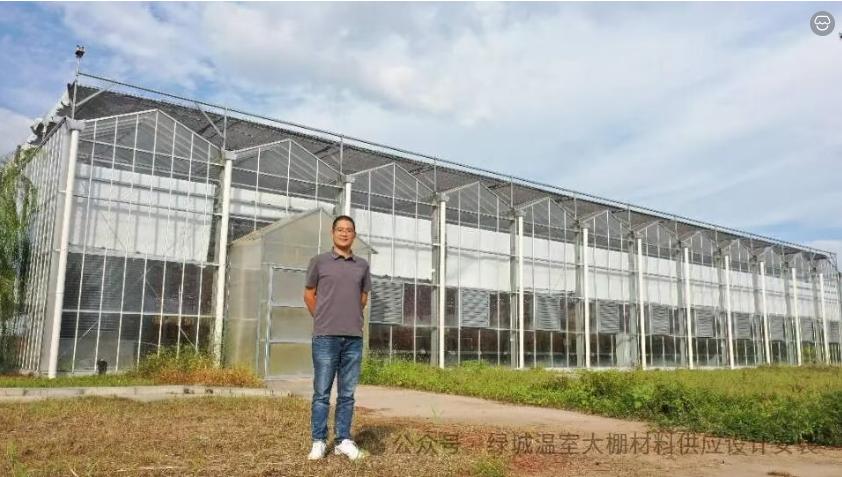
High-temperature greenhouse sterilization during the summer crop rotation period is a key measure to reduce pathogens at the source. By means of irrigation + film covering, use solar energy to maintain the soil temperature at 60-70℃ continuously for 15-20 days. This can effectively kill most soil-borne pathogens, insect eggs, and weed seeds, creating a "clean" start for the next crop planting and reducing the pressure of subsequent disease prevention and control.
The five agronomic measures are not isolated but form an interconnected closed-loop system that generates strong synergistic effects. Subsurface drip irrigation and high-ridge film covering reduce moisture evaporation at the source, while rational pruning improves ventilation and light transmission, jointly promoting a significant reduction in greenhouse humidity. Lower humidity directly reduces the probability of disease occurrence, thereby decreasing pesticide usage and the energy consumption required for ventilation and dehumidification. Ultimately, it achieves comprehensive effects of water saving, pesticide saving, energy saving, and labor saving, not only ensuring high yield and quality of crops but also significantly reducing heating and electricity costs.
In terms of benefits, the value of agronomic management is reflected in multiple aspects: economically, it directly reduces environmental control and pesticide costs; ecologically, it reduces energy consumption and chemical pesticide use, which is more in line with the concept of environmental protection and sustainable development; managerially, it transforms passive fire-fighting disease management into proactive and predictable environmental regulation, making greenhouse operation easier and more efficient.
The intelligent coupling of agronomic management with hardware systems is the cornerstone for modern glass greenhouses to achieve refined and intelligent operation. By implementing proactive and refined management to create a "disease-resistant" microenvironment for crops and practicing the core concept of "prevention is better than cure", high-investment greenhouses can truly maximize their benefits and contribute to the high-quality development of modern agriculture.