- EN
-

The growing demand for sustainable farming solutions has led to the rise of hydroponic systems like the pineapple tower hydroponic system, which offers a remarkable way to conserve water and maximize resource efficiency. This system, designed to optimize space and resources, has become a preferred choice for urban farming, home gardening, and even commercial agriculture. By utilizing a vertical farming design, the pineapple tower hydroponic system helps address some of the most pressing challenges in traditional farming, such as water scarcity and inefficient land use. In this article, we will explore the significant advantages of pineapple tower hydroponic systems in terms of water conservation and overall resource efficiency, highlighting how it can revolutionize the way we grow food.
One of the standout benefits of the pineapple tower hydroponic system is its ability to conserve water while still supporting healthy plant growth. Unlike traditional soil-based farming, where water is often lost through evaporation or runoff, the hydroponic tower uses a closed-loop water circulation system that dramatically reduces water wastage. Water is recycled and reused within the system, ensuring that plants receive the necessary hydration without excess loss. This efficient water management system can cut down water usage by up to 90% compared to conventional farming methods, making it an ideal solution for areas with limited water resources.
In pineapple tower hydroponics, water is pumped from a reservoir to the base of the tower, where it is distributed evenly to the plants. The water then drains back into the reservoir, where it is filtered and recirculated. This continuous cycle ensures that the plants receive the exact amount of water they need while minimizing waste. The pineapple tower hydroponic system's ability to conserve water makes it not only eco-friendly but also highly suitable for drought-prone regions and urban areas where water scarcity is a concern.
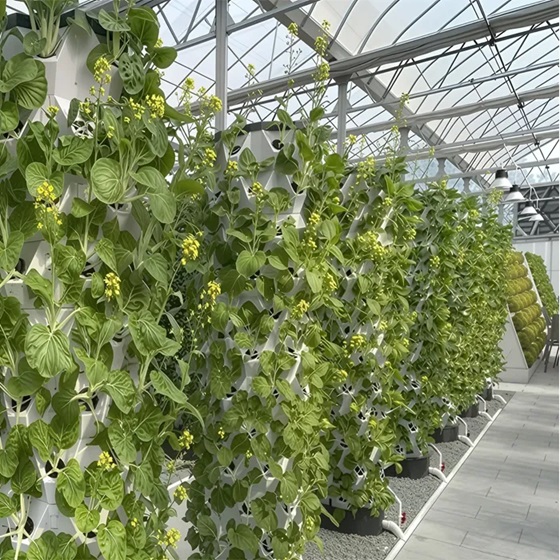
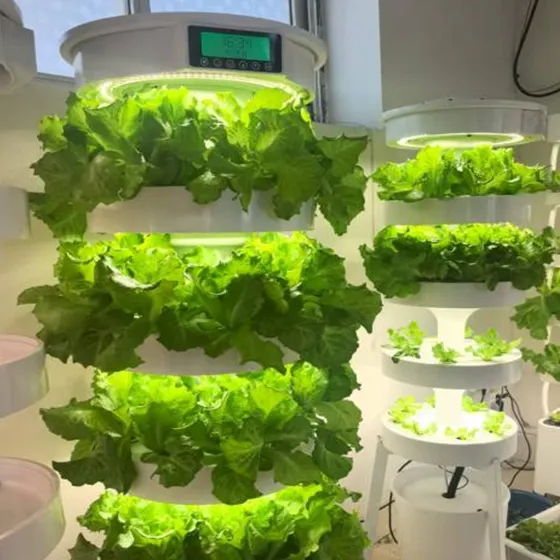
Another key advantage of the pineapple tower hydroponic system is its space-efficient design. Traditional farming methods often require large amounts of land to grow a sufficient amount of crops. However, pineapple tower hydroponics takes advantage of vertical farming principles, allowing growers to maximize their use of limited space. With this vertical design, multiple layers of plants can be grown in a small footprint, significantly increasing the crop yield per square meter.
This compact design is particularly beneficial for urban farming, where space is often at a premium. By utilizing pineapple tower hydroponic systems, urban dwellers, schools, and commercial growers can cultivate a wide variety of crops in a small, confined area, such as rooftops, balconies, or indoor spaces. As a result, the system not only conserves space but also helps optimize resource use, making it a perfect solution for growing food in densely populated areas where traditional farming is not feasible.
The pineapple tower hydroponic system is not only efficient in water use but also minimizes the need for chemical fertilizers and pesticides. In traditional soil farming, plants rely on the nutrients present in the soil, and often, chemical fertilizers and pesticides are used to boost plant growth and protect crops from pests and diseases. However, this process can lead to soil degradation, environmental pollution, and the loss of essential soil microbes.
In contrast, the pineapple tower hydroponic system uses a carefully controlled nutrient solution that is delivered directly to the plants. Since the nutrients are supplied in the water, they are absorbed more efficiently, which reduces the need for excessive fertilizers. Additionally, the closed environment of the hydroponic tower significantly reduces the risk of pests and diseases, further reducing the need for chemical pesticides. This not only helps preserve the health of the plants but also minimizes the environmental impact of farming.
As the global population continues to grow, the demand for food production increases, placing additional pressure on our natural resources. Traditional farming methods are often unsustainable, requiring large amounts of water, land, and chemicals. The pineapple tower hydroponic system offers a more sustainable alternative by providing a method of growing crops that is both resource-efficient and environmentally friendly. This system allows for high yields in small spaces, making it an ideal solution for urban agriculture and sustainable farming practices.
In addition to water conservation, the pineapple tower hydroponic system also reduces the carbon footprint associated with food production. By eliminating the need for large-scale land use, transportation of water, and the overuse of chemicals, this method of farming supports a more sustainable and resilient agricultural model. Furthermore, because the system can be used in various locations, such as rooftops and indoor spaces, it encourages local food production, reducing the need for long-distance food transportation and its associated environmental impacts.
The future of agriculture lies in systems that optimize the use of resources while minimizing waste. The pineapple tower hydroponic system exemplifies this vision by offering a highly efficient, sustainable solution for growing food in a variety of environments. Whether used in urban settings or larger commercial applications, this system provides significant advantages in terms of water conservation, space efficiency, and resource management.
As the demand for more sustainable farming practices grows, the pineapple tower hydroponic system offers a glimpse into the future of agriculture. By integrating technology with nature, it provides a model for how we can produce food in ways that conserve resources and reduce environmental impact. As more people and businesses adopt this innovative method, it has the potential to revolutionize the way we think about food production, making it more sustainable and accessible for everyone.
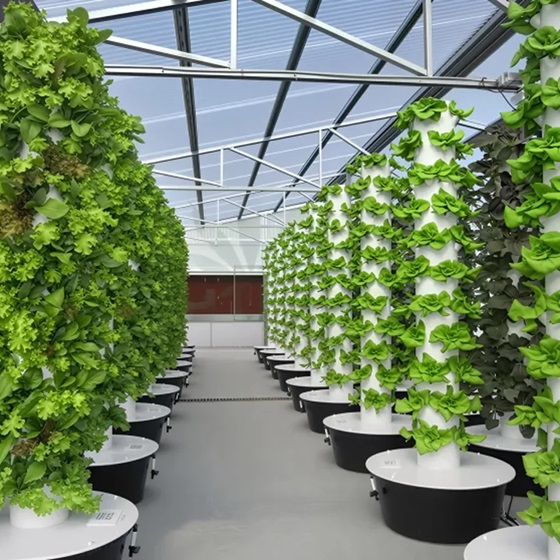
In conclusion, the pineapple tower hydroponic system is a game-changer in the world of resource-efficient farming. Its ability to conserve water, maximize space, reduce the need for chemical fertilizers and pesticides, and contribute to sustainable agriculture makes it an invaluable tool for the future of food production.