- EN
-

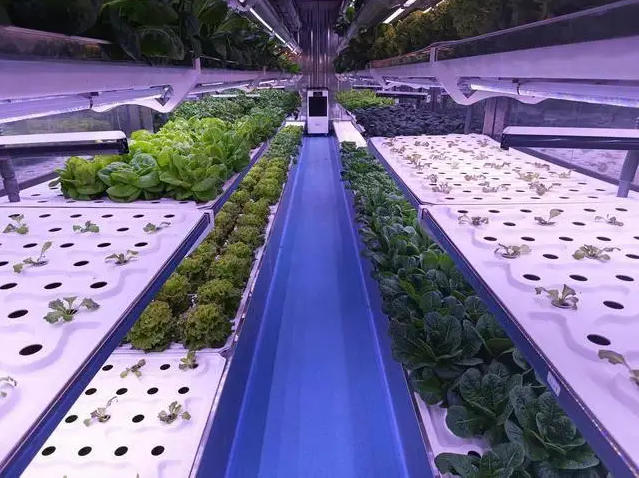
While traditional agriculture is constrained by land, climate, and seasonal limitations, container plant factories are emerging as a new frontier in modern agriculture. By transforming shipping containers into high-efficiency cultivation spaces and integrating intelligent hydroponic farming equipment with advanced technologies, this approach not only redefines agricultural production models but also gains global market dominance through multiple core advantages, leading the new trends in future agricultural development.
The container plant factory, powered by IoT and AI, achieves full automation in environmental control, water and fertilizer management, and light supplementation. The intelligent environmental control unit precisely regulates temperature, humidity, CO₂ concentration, and light duration, while the nutrient solution system delivers nutrients on demand, ensuring plants remain in optimal growth conditions. This digital management model not only reduces reliance on manual labor but also enables full traceability of the production process, aligning with the high-quality development requirements of modern agriculture.
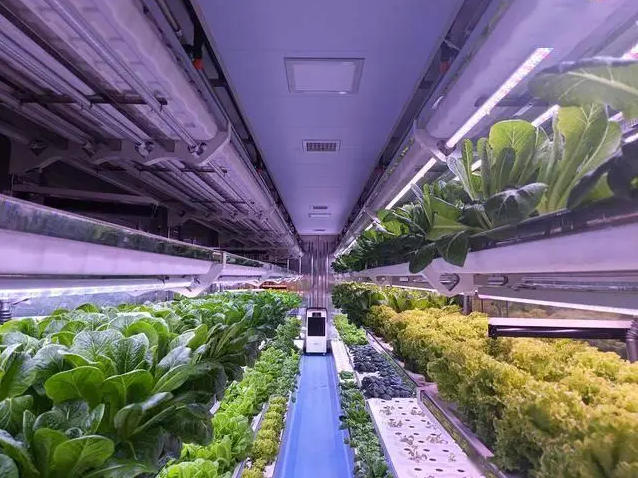
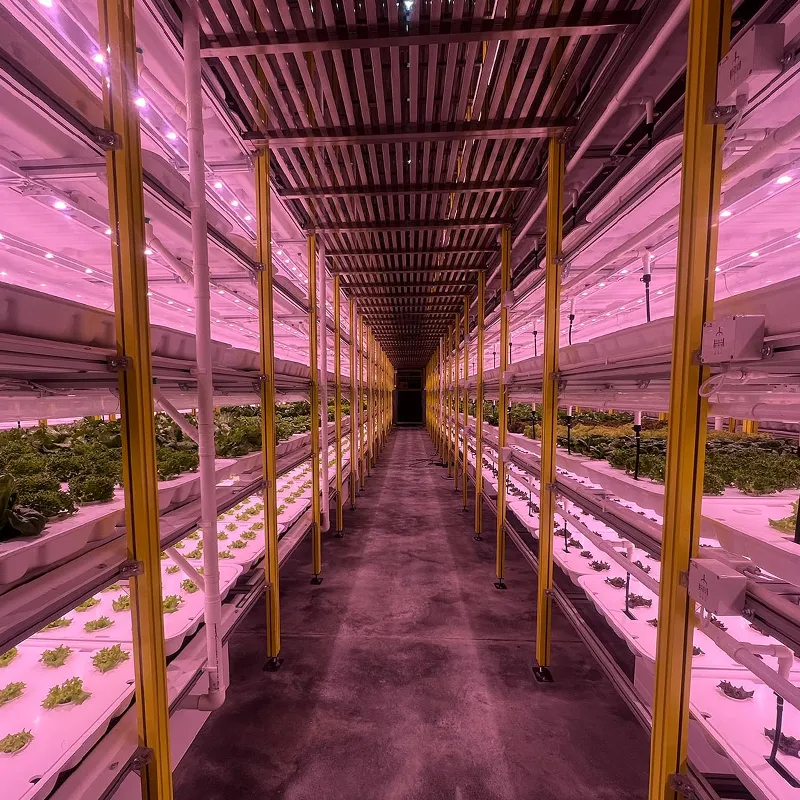
By utilizing vertical cultivation racks and rotating planting equipment, container plant factories maximize vertical space utilization, achieving significantly higher yields per unit area compared to open-field or greenhouse cultivation. Every hydroponic container for sale from Hydroblue features a modular design that enables versatile applications: functioning as "mobile farms" in suburban areas to ensure fresh vegetable supply, or being deployed in schools and research institutions to serve dual purposes of science education and agricultural research, thereby transcending traditional agricultural production constraints.
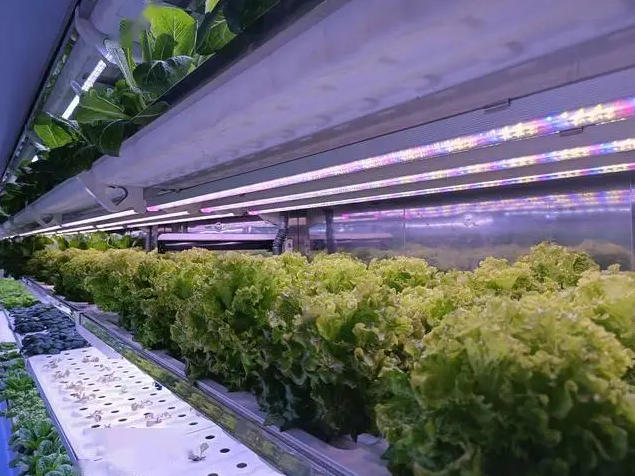
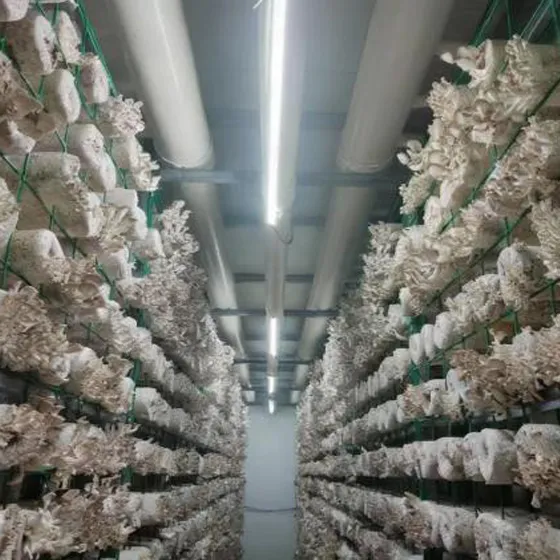
By simulating climatic conditions through artificial means, container plant factories overcome seasonal limitations to enable year-round crop production. They ensure stable fresh lettuce supply during off-seasons and successfully cultivate mushrooms during summer heatwaves, guaranteeing consistent agricultural product availability throughout the year. Moreover, localized production reduces transportation distances, minimizes logistics losses, allows consumers to access fresher ingredients, and lowers supply chain costs.
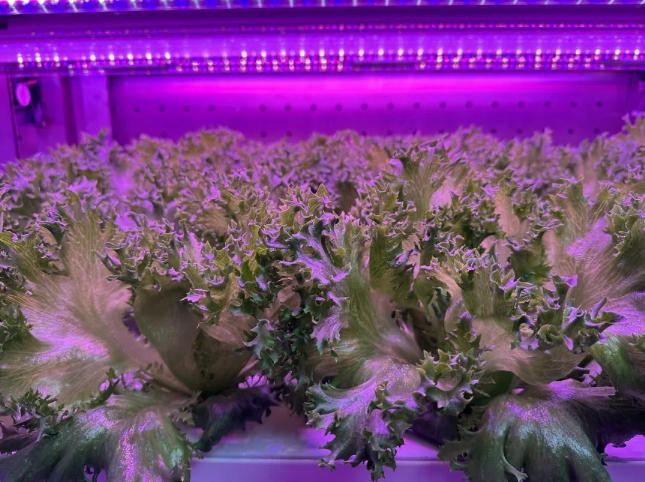
From technological innovation to market breakthrough, container plant factories are reshaping the agricultural industry landscape with an unstoppable momentum. This transformation represents not only a revolution in production methods but also a restructuring of future food supply systems, liberating agriculture from natural constraints and steering it toward a more intelligent, efficient, and sustainable future.