- EN
-
Urban and controlled environment agriculture is rapidly becoming a key solution for producing fresh, high-quality food in cities and regions with limited agricultural land. One of the most effective methods for achieving this is through hydroponic greenhouse equipment. This technology allows for the efficient cultivation of crops without the need for soil, using a nutrient-rich water solution to nourish plants. This article explores the role of hydroponic greenhouse equipment in urban and controlled environment agriculture, emphasizing its benefits, applications, and the advantages it offers for sustainable food production.
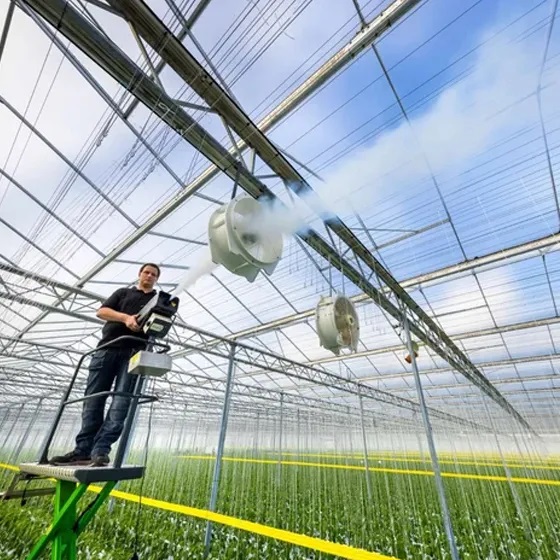
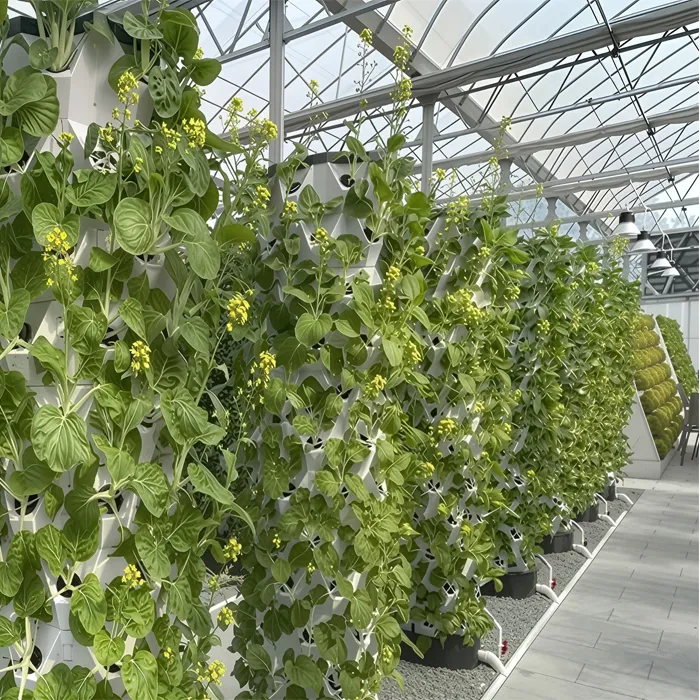
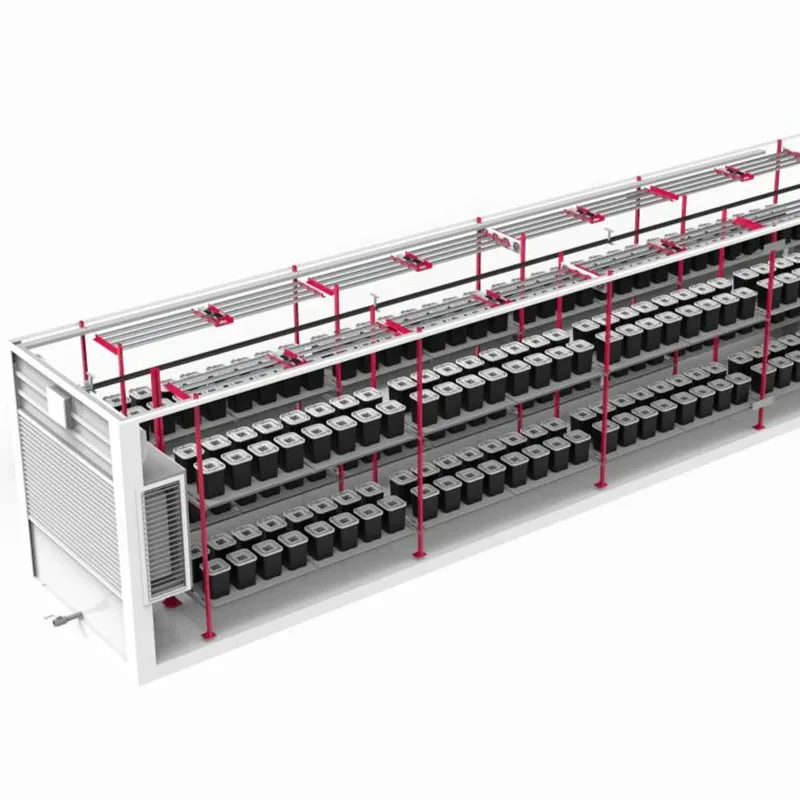
In urban areas, where space is often limited and the demand for fresh produce is high, hydroponic greenhouse equipment provides an innovative solution. Traditional farming methods require large plots of land, which are often not available in densely populated cities. Hydroponic greenhouses, however, make use of vertical farming techniques, maximizing space and enabling crops to be grown in small, controlled environments such as rooftops, balconies, or even indoor spaces. By using hydroponic greenhouse equipment, urban farmers can cultivate a wide variety of crops, including leafy greens, herbs, and small fruiting plants, all while reducing their reliance on traditional soil-based agriculture.
One of the primary advantages of using hydroponic greenhouse equipment in urban farming is the efficient use of water. Traditional soil-based farming can waste large amounts of water through evaporation and runoff, but hydroponics systems recycle water and nutrients, drastically reducing water consumption. This makes hydroponic greenhouses an excellent choice for urban areas that may face water scarcity, as the systems use up to 90% less water than conventional farming.
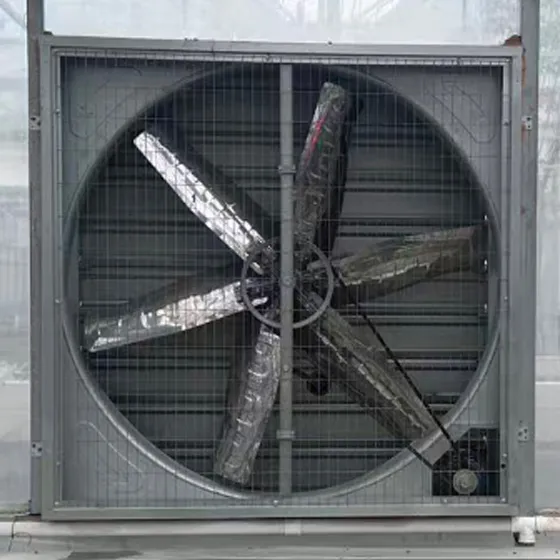
Controlled environment agriculture (CEA) refers to farming practices that use artificial environments, such as greenhouses, to optimize plant growth. Hydroponic greenhouse equipment plays a crucial role in CEA by providing the ideal conditions for crops to grow year-round, independent of external weather conditions. This equipment includes climate control systems for regulating temperature, humidity, and CO2 levels, ensuring that plants receive the perfect environment for optimal growth.
In hydroponic greenhouses, plants are provided with all the nutrients they need through a nutrient solution, rather than relying on the soil to provide these essential elements. This controlled nutrient delivery system allows plants to grow faster and more efficiently. Since the entire system is enclosed, growers can better manage pests and diseases, reducing the need for harmful pesticides and chemical treatments. This makes hydroponic greenhouse equipment not only more efficient but also a more sustainable and environmentally friendly option compared to traditional farming.
One of the most significant advantages of using hydroponic greenhouse equipment in urban and controlled environment agriculture is its ability to support year-round crop production. Unlike traditional farming, which is subject to seasonal changes, hydroponic systems within greenhouses can produce crops consistently throughout the year. This is particularly important in areas with harsh climates, where outdoor farming may only be possible during certain seasons.
The controlled environment within a hydroponic greenhouse allows for the manipulation of factors such as light, temperature, and humidity. With the addition of artificial lighting, hydroponic greenhouses can support plant growth even during the winter months, when natural sunlight is limited. This makes hydroponic greenhouse equipment an excellent solution for ensuring a constant supply of fresh produce, regardless of the season, and helps address the growing demand for locally sourced food in urban areas.
While hydroponic greenhouse equipment is an ideal solution for small-scale urban gardening, it can also be scaled up for commercial applications. Larger commercial hydroponic greenhouses can support the production of a wide range of crops, from leafy greens and herbs to fruits and vegetables. These systems can be customized to meet the specific needs of different crops, allowing farmers to optimize their production methods and increase yields.
For larger operations, hydroponic greenhouse equipment can be equipped with automation and advanced monitoring systems. These systems help regulate water and nutrient delivery, control environmental conditions, and monitor plant health, ensuring that crops grow efficiently and remain healthy. Automation reduces labor costs and minimizes the risk of human error, making it easier for commercial growers to maintain a consistent level of productivity.
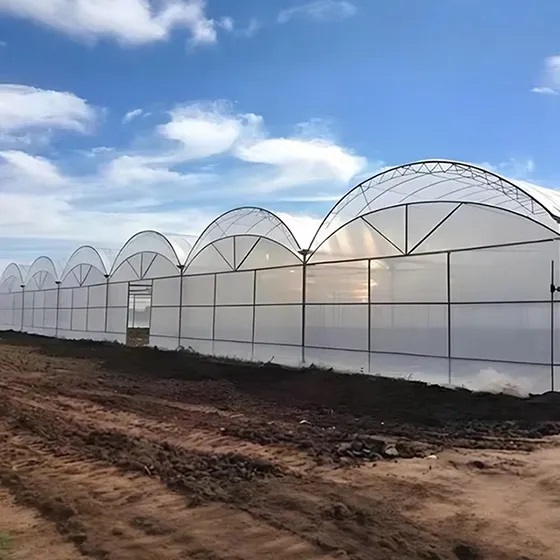
The future of agriculture is shifting towards more sustainable practices, and hydroponic greenhouse equipment plays a key role in this transition. With the growing global population and the increasing pressure on agricultural resources, it is essential to find innovative ways to produce food more efficiently while minimizing environmental impact. Hydroponic greenhouses offer a sustainable alternative to traditional farming methods, using less water, fewer pesticides, and less land, while providing high-quality, nutritious crops.
As technology continues to evolve, we can expect even more advancements in hydroponic greenhouse equipment, making it more accessible, efficient, and cost-effective. Innovations such as automated systems, vertical farming designs, and energy-efficient climate control technologies will further enhance the capabilities of hydroponic greenhouses and help meet the growing demand for locally grown food. By investing in hydroponic greenhouse equipment, cities and regions around the world can build more resilient, sustainable food systems that contribute to food security and environmental preservation.