- EN
-

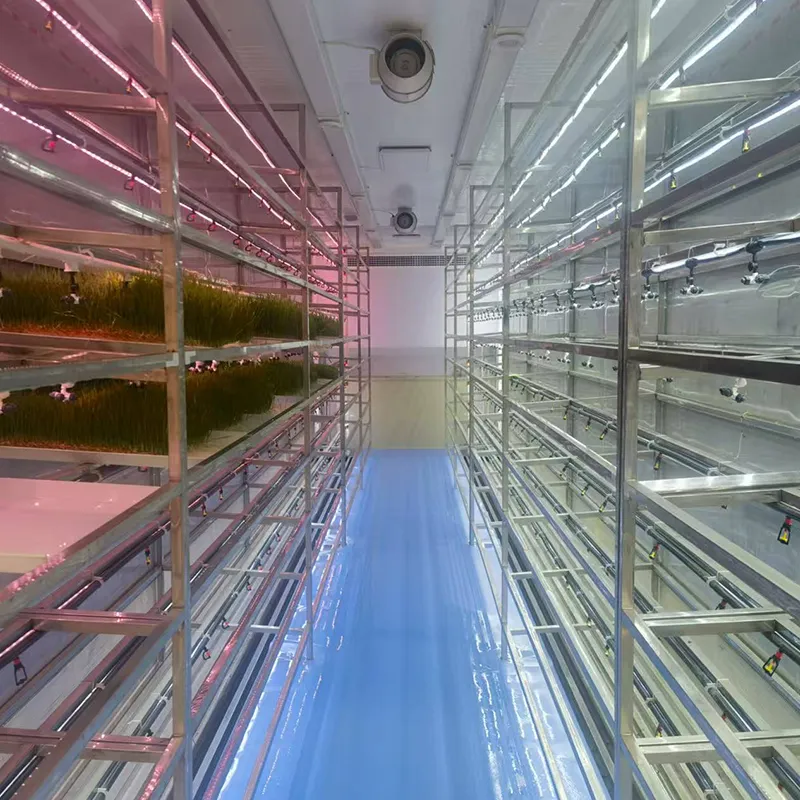
Mushroom cultivation has shifted from small-scale, manual setups to highly controlled, container-based systems that enable consistent yields, contamination control, and year-round production. A mushroom growing container is a controlled cultivation unit designed to optimize temperature, humidity, airflow, and substrate conditions for fungi growth. Modern systems are widely used in commercial farms, research labs, and urban agriculture projects, with yield improvements of 30%–80% compared to traditional bag cultivation methods (based on controlled environment agriculture benchmarks).
HydroBlue integrates advanced environmental control systems into modular mushroom container solutions designed for scalable production and industrial-grade stability.
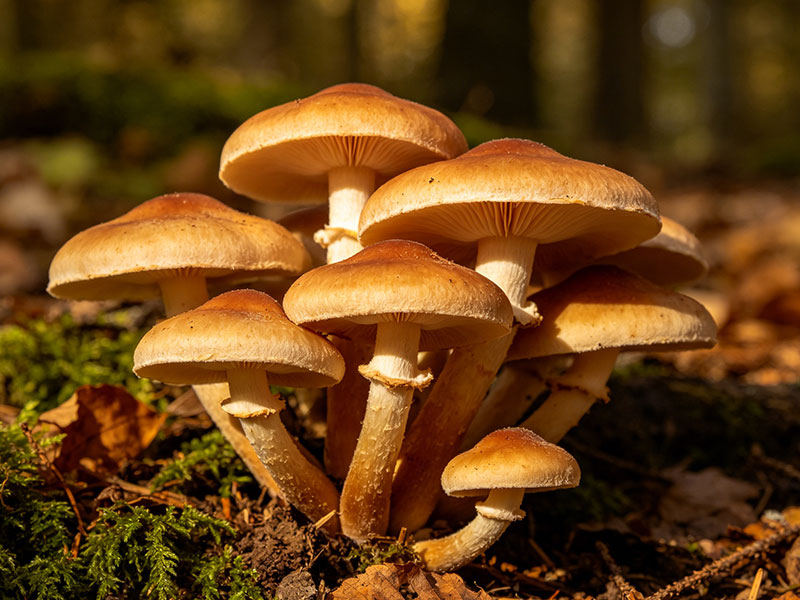
A mushroom growing container is a sealed or semi-sealed cultivation unit engineered to regulate environmental parameters such as humidity (85%–95%), CO₂ levels, and temperature (15°C–25°C depending on species) to optimize mushroom fruiting conditions.
Unlike traditional farm rooms, container systems are modular and portable, making them ideal for urban farming or rapid production scaling. According to controlled agriculture studies, container systems can reduce contamination risk by up to 60% compared to open-room cultivation.
A mushroom container system consists of multiple integrated subsystems that maintain stable biological conditions for fungal growth. Core components include HVAC climate control, HEPA filtration, automated misting systems, LED lighting, and shelving racks. Studies from controlled environment agriculture show that precise humidity control alone can increase yield consistency by 25%–40%.
A mushroom growing container system varies by scale, automation level, and production purpose, ranging from basic retrofit shipping containers to fully automated smart farms.
The most common types include retrofitted shipping containers, modular indoor grow units, and fully automated industrial chambers. Shipping container farms typically support 500–2,000 kg/month production depending on species like oyster or shiitake mushrooms.
HydroBlueTech offers scalable container configurations tailored for startups and commercial operators.
A comparison between mushroom growing containers and traditional room-based cultivation highlights significant differences in efficiency, contamination control, and scalability.
| Factor | Mushroom Growing Container | Traditional Room Cultivation |
| Contamination Risk | Low (up to 60% reduction) | High |
| Yield Stability | High consistency (±10%) | Variable (±30%) |
| Setup Cost | Higher initial investment | Lower initial cost |
| Scalability | Modular expansion | Limited |
| Environmental Control | Fully automated | Manual |
Research from controlled agriculture environments indicates that container systems can improve overall production efficiency by 35%–70%, especially in high-value mushroom varieties.
A mushroom growing container provides a controlled, scalable, and hygienic environment that significantly improves commercial production outcomes.
The primary benefits include higher yield predictability, reduced contamination, and faster production cycles. Commercial operators report harvest cycle reductions of 10–20% when switching from traditional systems to container-based environments.
HydroBlueTech solutions emphasize energy efficiency and precision control, enabling operators to reduce operational waste while increasing production output per square meter.
Mushroom growing containers represent a major evolution in modern agriculture, combining precision environmental control with modular scalability. With yield improvements of up to 80%, reduced contamination risk, and strong ROI potential, they are becoming the preferred solution for commercial growers worldwide.
HydroBlue continues to innovate in this space by delivering intelligent, energy-efficient container systems that support both small-scale entrepreneurs and industrial mushroom production facilities. If you're planning to scale mushroom cultivation, container-based systems provide one of the most reliable and future-proof solutions available today.
1. What mushrooms can be grown in containers?
Oyster, shiitake, lion’s mane, and button mushrooms are commonly cultivated due to their adaptability to controlled environments.
2. How much does a mushroom growing container cost?
Depending on automation level, costs typically range from $8,000 to $60,000 per unit.
3. How long is a mushroom growth cycle in containers?
Most species complete a cycle in 30–60 days under optimized conditions.
4. Are container systems better than traditional farms?
Yes, they offer higher consistency, lower contamination risk, and better scalability.
5. What is the yield of a container mushroom farm?
A standard 40ft container can produce approximately 500–2,000 kg per month depending on species and system design.
6. Can beginners use mushroom growing containers?
Yes, automated systems are designed for minimal manual intervention and beginner-friendly operation.