E-mail to us

HydroBlue - Leading NFT Hydroponic System Manufacturer for High-Performance Growing

NFT (Nutrient Film Technique) hydroponic systems, with their efficient, controllable, and water-saving characteristics, have become a core solution for modern agricultural transformation. As one of the leading NFT hydroponic system manufacturers and suppliers, HydroBlue offers a comprehensive range of advanced commercial NFT hydroponic systems designed to meet diverse cultivation needs and maximize crop yields. Whether you are seeking a flat, an A-frame, a vertical multi-tiered NFT hydroponic system, or customized hydroponic NFT equipment, we provide reliable, scalable, and easy-to-manage NFT grow system solutions.
NFT Hydroponic System

HydroBlue Categories of NFT Hydroponic System for Sale

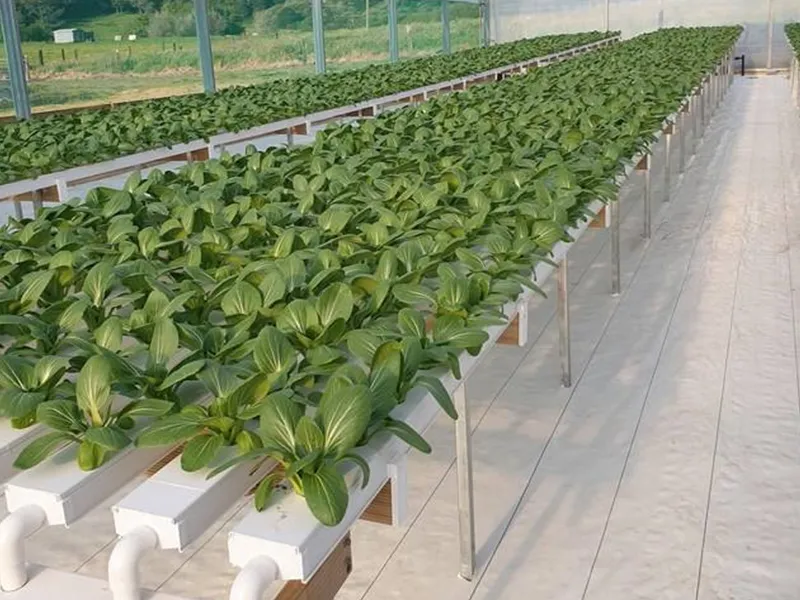
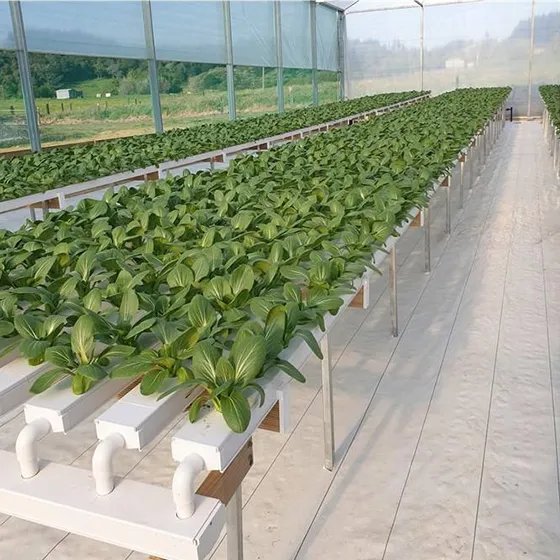
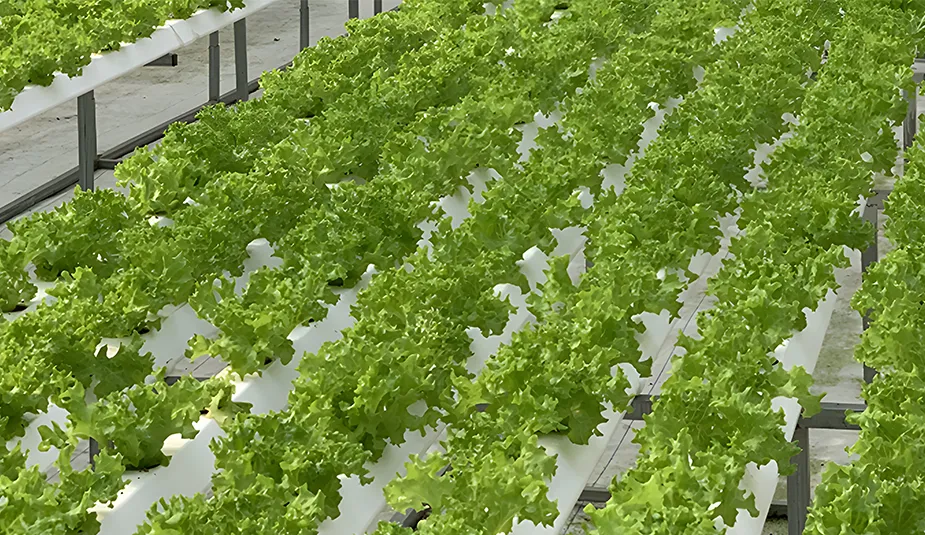
HN1-Flat Planting Trough
Flat Planting Trough, with NFT (Nutrient Film Technique) functionality, enables efficient hydroponic cultivation. Ideal for a greenhouse, our NFT system for sale ensures orderly, nutrient-rich plant growth.
Read More
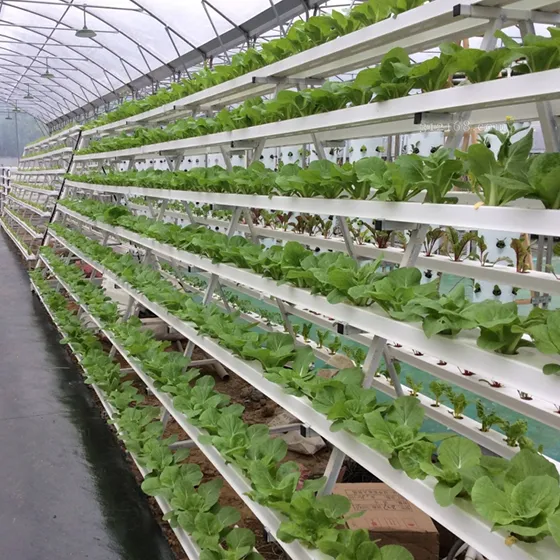
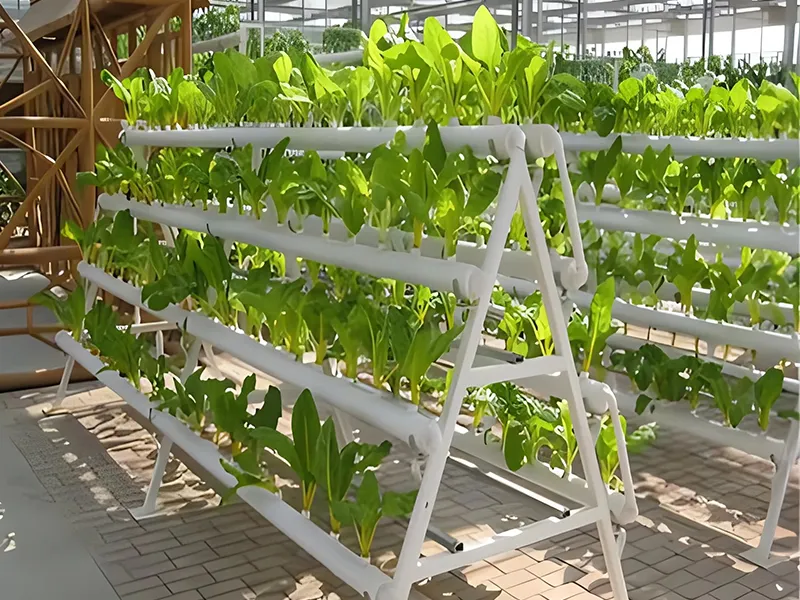
HN2-A-Frame Planting Trough
A-Frame Planting Trough, equipped with an NFT (Nutrient Film Technique) hydroponic system, features a space-saving A-frame design. This NFT system for sale allows for efficient vertical cultivation, providing plants with a continuous flow of nutrient-rich solution, which is ideal for maximizing yield in limited greenhouse spaces.
Read More
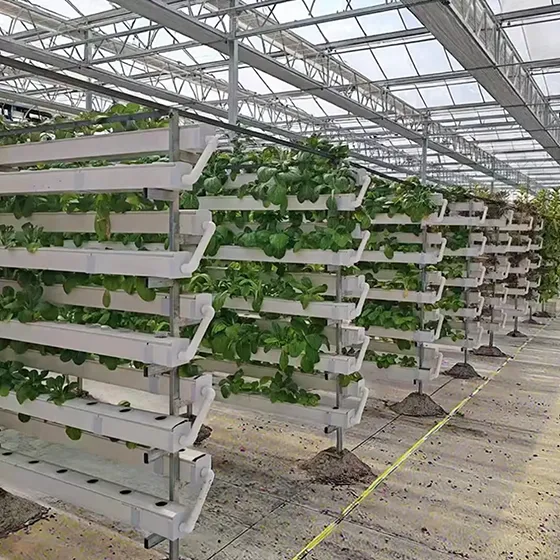
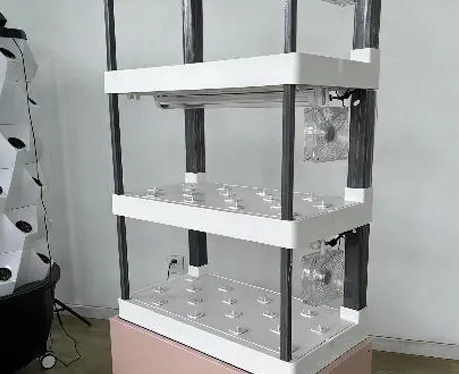
HN3-Vertical Planting Trough
This is a multi-tiered hydroponic planting system. It features sturdy racks, which are installed in a well-structured greenhouse. Integrated with an advanced NFT system, this setup allows for efficient vertical cultivation. Our NFT system for sale ensures continuous supply of nutrient-rich solutions to plants, maximizing space utilization. Equipped with the latest hydroponic nft equipment, it is an excellent choice for modern and productive greenhouse vegetable cultivation.
Read More

Why Choose NFT Hydroponic System?

Customization of Hardware Parameters

Key parameters of core components (pipes, planting troughs) of the NFT system are customizable, including pipe dimensions (e.g., 10050mm, 11750mm), diameters (30/40/50mm or customized), planting hole spacing (150-200mm or customized), and length (spliced on demand). The material is uniformly PVC-U, suitable for long-term use in hydroponic environments.

Professional and Convenient Installation Guidance

Full-cycle installation services are provided. On-site installation and linked debugging of environmental equipment are available for commercial scenarios (greenhouses, container farms); detailed manuals and video tutorials are provided for home/small-scale scenarios, allowing beginners to operate step by step.

Nutrient Solution Formula & Usage Guidance

Crop-specific nutrient solution formulas are designed for the NFT "nutrient film circulation" feature. Users are guided to control EC value and pH value to ensure the nutrient film covers roots evenly and prevent pipe blockage.

After-Sales Maintenance

Remote monitoring can be realized by linking with HC series equipment, with automatic alerts for abnormalities. Enjoy a one-year warranty.

Modular Expansion Capability

Flexible expansion with multiple types of planting troughs is supported—HN1 horizontal NFT system can extend pipes horizontally to expand the area; HN2 A-Frame Planting Trough and HN3 Vertical Planting Trough can be stacked in multiple layers. The A-frame system increases planting density by 30%-50% compared to traditional flat systems, adapting to urban agriculture space needs.


The NFT system can serve as a core module, connecting to HC3 Water and Fertilizer Integrated Machine for automatic nutrient solution proportioning, linking with HC1 Greenhouse Shed and HC2 hydroponics circulation fans to expand environmental control range, and cooperating with HT3 rolling benches hydroponics to optimize the "seedling-transplantation-harvest" process.

How Does an NFT System Work?

How Does an NFT System Work?

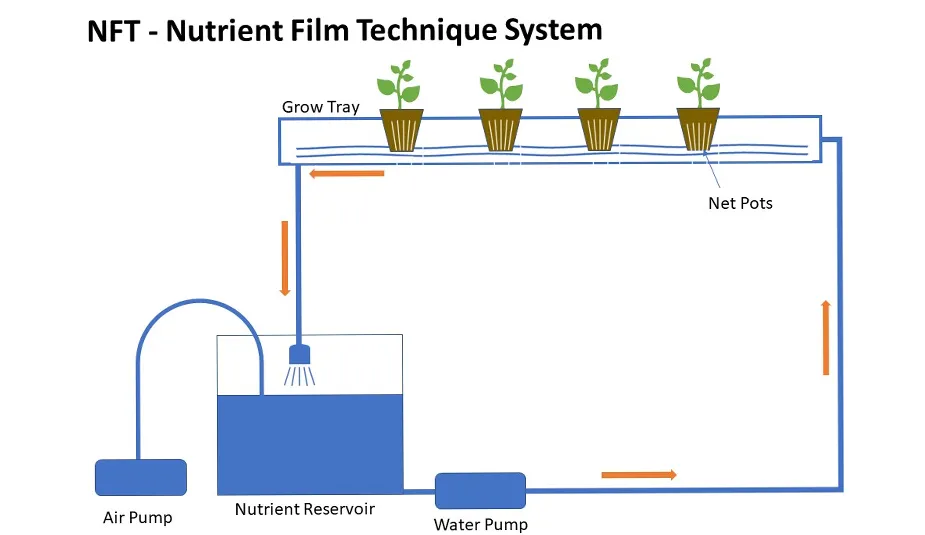
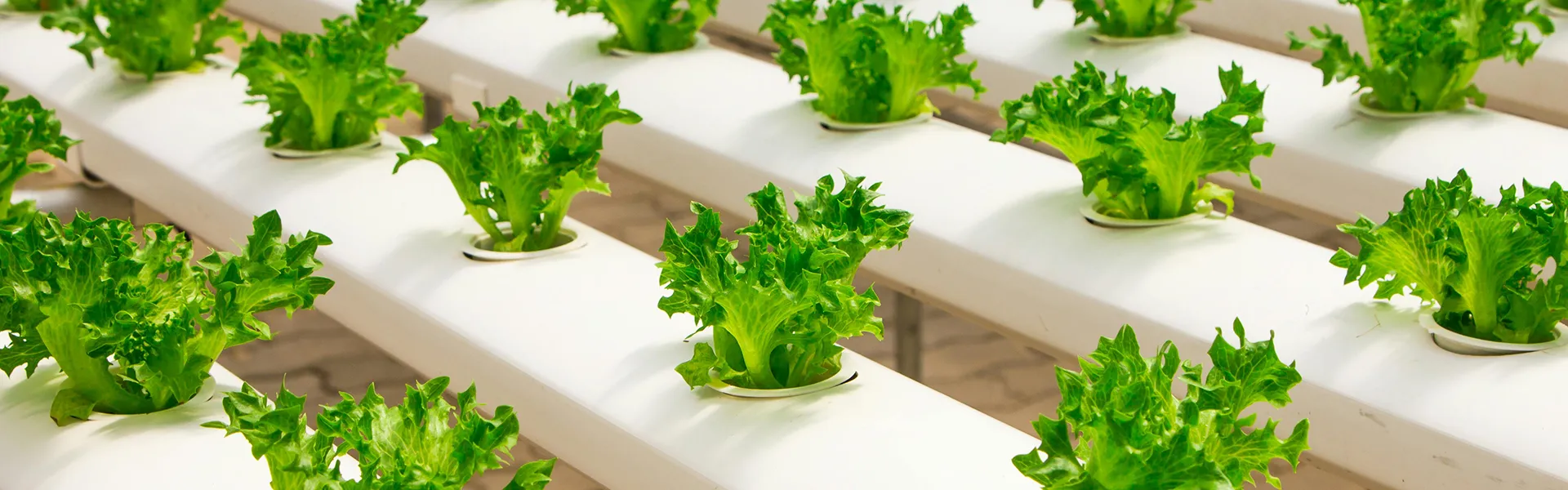
The core of the NFT (Nutrient Film Technique) system is a "thin, continuous flow of nutrient film in a shallow trough". In a dedicated grow tray, only an extremely thin layer of nutrient solution flows along the bottom of the trough. Crop roots are partially submerged in the film and partially exposed to air—this not only ensures roots efficiently absorb water and nutrients but also guarantees sufficient oxygen supply through air contact, avoiding root hypoxia and rot common in traditional hydroponics.


The stable operation of the NFT system relies on the collaboration of multiple components. This advanced hydro farming equipment integrates all key parts to optimize crop growth and nutrient delivery. The key components and their functions specified are as follows: 

1. Grow Tray: Serves as the carrier for nutrient solution flow and crop planting, available in three types—Flat (HN1), A-Frame (HN2), and Vertical (HN3). All adopt a shallow trough design to form a thin nutrient film, with structural differences only to adapt to space needs.

2. Mixing Tank: Stores and prepares crop-specific nutrient solutions, ensuring the nutrient solution concentration and pH value meet crop requirements.

3. Water Pump: The core power source, which delivers the nutrient solution from the mixing tank to the grow tray through the filling pipe, providing power for circulation.

How to Use an NFT Hydroponic System Step by Step?

How to Use an NFT Hydroponic System Step by Step?

To use an NFT hydroponic system, first check core components (suitable grow tray like HN1/HN2/HN3, mixing tank, water pump, full-spectrum LED lights, pH/EC testers) for completeness and functionality—ensure PVC-U trays are undamaged and pipes sealed. Next, prepare crop-specific nutrient solution (e.g., low-nitrogen high-potassium for leafy greens) in the mixing tank, adjusting pH (5.5-6.5) and EC. Then fix seedlings (with sponges/net pots) in 150-200mm spaced planting holes, letting 1/3-1/2 roots touch the trough bottom. Start the pump to form a 3-5mm nutrient film, ensuring smooth circulation via the overflow pipe. Set LED lights (12-16h daily) and environmental controls (20-25℃, 60%-70% humidity). Maintain daily by checking solution levels/parameters, clean weekly, and adjust circulation frequency. After harvest, clean the system for reuse.

What Are the Advantages of an NFT Hydroponics System over Traditional Farming?

1. The NFT hydroponics system saves space significantly

Vertical or A-frame NFT structures (like HN2 and HN3) boost planting density by 30%-50%, ideal for urban areas with limited land. 

2. The NFT hydroponics system is highly resource-efficient

The circulating nutrient film cuts water use by 30%-50% and reduces fertilizer waste via customized formulas, unlike traditional farming’s high water/fertilizer consumption. 

3. The NFT hydroponics system ensures stable yields

Controlled environments (with full-spectrum LEDs, temperature/humidity monitors) and nutrient circulation avoid issues like drought or uneven fertilization in traditional farming, enabling year-round production. 

4. The NFT hydroponics system reduces disease risks

Soilless cultivation minimizes soil-borne diseases, and optional UV sterilization (as in DIY kits) lowers fungal threats, unlike traditional farming’s vulnerability to soil-related pests. 

5. The NFT hydroponics system is labor-saving

Automatic nutrient circulation and remote monitoring (via IoT tools) reduce manual work, unlike traditional farming’s heavy labor for watering and weeding.

NFT Hydroponic System VS Other Soilless Hydroponic Systems

Comparison Dimension

NFT Hydroponic System

Tidal System

DWC

Drip System

Aeroponics

Core Principle

Thin nutrient film flows along shallow trays; roots partially submerged/exposed.

Floods trays then drains (simulates tides) via pump/timer.

Roots fully submerged in oxygen-rich solution.

Nutrient dripped to root base via emitters.

Nutrient mist sprayed on suspended roots.

Basic Components

Grow trays (HN1/HN2/HN3), mixing tank, pump, overflow pipe.

Flood tray, reservoir, pump, timer, seedling beds (HT1/HT2/HT3).

Deep tank, air pump, air stone, net pots.

Drip emitters, supply pipes, reservoir, filter.

High-pressure nozzles, air pump, root support.

Water/Nutrient Efficiency

High (30-50% water save, closed-loop).

High (30-50% save, recycled).

Moderate (static solution, evaporation waste).

Moderate-Low (uneven drip, clog risk).

High (mist targets roots, closed-loop).

Space Adaptability

Excellent (vertical/A-frame, +30-50% density).

Good (multi-tiered/rolling, +20-30% greenhouse use).

Moderate (needs deep tanks, limited vertical).

Moderate (complex vertical layout).

Excellent (flexible vertical/horizontal).

Doc-Specific Advantages

Modular, customized spectrum.

Independent layer control, space-saving rolling bench.

Simple, low cost, easy for beginners.

Precise delivery, large-scale compatible.

Max oxygen, high efficiency for high-value crops.


NFT Hydroponic System Design

HydroBlue offers one-stop integrated solutions covering water circulation (e.g., NFT’s mixing tank, water pump, overflow pipe; Tidal’s reservoir and drain valve), nutrient solution management (customized formulas, pH/EC monitoring support), and light control (full-spectrum LED lights with adjustable dimming and hierarchical control). For example, its NFT system combines grow trays, circulation components, and full-spectrum LEDs; DIY kits even integrate IoT remote control for automatic nutrient preparation and environment adjustment, forming a complete integrated design.


For NFT systems, adjustable pipe slopes are implied in the design of grow trays (HN1/HN2/HN3) to ensure the thin nutrient film flows smoothly without accumulation; overflow pipes further maintain steady flow, preventing stagnation. Tidal systems use timers and gravity drainage for steady flooding/draining cycles, avoiding both accumulation (via complete drainage) and root drying (via regular flooding). These designs collectively prevent nutrient solution buildup and root desiccation.

Material and Structural Quality of NFT Hydroponic System

The core component of HydroBlue's NFT hydroponic system for sale—grow tray pipes—is made of PVC-U material. It features UV resistance and a long service life, avoiding material degradation that could contaminate nutrient solutions.

PVC-U material, the main material of NFT pipes, has strong corrosion resistance. It can withstand long-term contact with acidic/alkaline nutrient solutions without rusting or chemical reactions, ensuring the system's structural integrity and avoiding nutrient solution contamination from corroded materials.

HydroBlue's NFT hydroponic system for sale has multiple anti-clogging designs: 

1. Customizable planting hole spacing reduces root crowding and prevents root debris from blocking the trough bottom;

2. Overflow pipes are installed at the end of grow trays to ensure unobstructed flow of excess nutrient solution, avoiding clogging caused by accumulated residues

3. The shallow trough structure of NFT makes it easy to clean root debris regularly, and the closed-loop circulation of nutrient solution further reduces residue accumulation that causes clogging.


ROI of Applying HydroBlue's NFT Hydroponic System

Production Efficiency and Yield

High-Density Planting: NFT systems are suitable for short-cycle crops such as leafy vegetables and herbs, achieving annual yields per unit area 3-5 times that of traditional soil-based cultivation.

Continuous Harvest: Through optimized crop rotation (e.g., 25-30 days per crop for lettuce), the annual harvest batch can be significantly increased, directly boosting revenue.

Optimized Operating Costs

Water and Fertilizer Conservation: Hydroponic systems save over 90% of water and achieve a 95% fertilizer utilization rate, reducing resource costs over the long term.

Labor Efficiency: Automated management (e.g., circulation pumps and timers) reduces labor requirements, but requires initial technical training.

Market and Pricing

Premium Potential: Pesticide-free, locally grown vegetables can command a 20%-50% premium, making them particularly suitable for high-end supermarkets or direct-sale channels.

Demand Matching: It is important to assess local market acceptance of hydroponic crops to avoid oversupply.

Initial Investment and Depreciation

Infrastructure: Piping, greenhouse structures, and control systems require high initial investment, but depreciation cycles are long (a greenhouse can last 10-15 years).

Energy Dependence: Lighting and temperature control equipment increase electricity costs, which can be partially mitigated by photovoltaics.

Risk Factors

Technical Risk: Uncontrolled nutrient management or pest and disease control may result in reduced yields in a single season.

Market Volatility: Homogeneous competition may squeeze profit margins.

ROI Estimation Reference (Non-Monetary)

Payback Period: Under good operations, the investment typically recovers within 1-3 years, with subsequent profit margins reaching 30%-50% (depending on the crop and management level).

Long-Term Returns: After stable production, annual returns can potentially be 2-3 times higher than those of traditional agriculture.

Successful Cases of HydroBlue's NFT Hydroponic System

NFT Expansion Case in Israeli Greenhouse

Israeli farmers introduced 10 sets of A-type NFT systems to expand lettuce and celery cultivation in existing greenhouses for higher yields.


FAQs About NFT Hydroponic System

What are the advantages of NFT hydroponics?

+ -

Efficient water and nutrient use

Faster plant growth compared to soil

Reduced pest and disease risks

Space-saving and scalable design

How does an NFT hydroponic greenhouse system work?

+ -

Plants are placed in channels (pipes or gutters) at a slight angle. A nutrient solution is pumped to the top of the channel, flows over the roots, and drains back into a reservoir for recirculation.

What crops are best suited for NFT systems?

+ -

Leafy greens (lettuce, spinach, kale), herbs (basil, cilantro), and fast-growing, shallow-rooted plants perform best. Heavy fruiting plants (tomatoes, cucumbers) are less ideal.

What are the main components of an NFT greenhouse system?

+ -

Growing channels (PVC or food-grade plastic pipes)

Reservoir tank

Submersible water pump

Nutrient solution (fertilizers)

Air pump & air stones (for oxygenation)

Timer or continuous flow system

Support structure (racks or greenhouse frame)

Do NFT systems require electricity?

+ -

Yes, a water pump is needed to circulate the nutrient solution. Backup power is recommended to prevent pump failure.

How do I prevent algae growth in NFT hydroponic channels?

+ -

Use opaque (non-transparent) pipes and cover exposed water surfaces to block light.

What happens if the NFT hydroponic pump fails?

+ -

Plant roots can dry out quickly (within hours). Use backup power, alarms, or a fail-safe water retention system.

Can NFT Hydroponic System be used in cold climates?

+ -

Yes, but greenhouse temperature control (heating) is necessary to prevent nutrient solution cooling, which slows plant growth.

How do I prevent root clogging in NFT Hydroponic channels?

+ -

Use proper channel slope (1–3% incline)

Avoid overcrowding plants

Ensure smooth water flow with no blockages

What is the ideal pH and EC range for NFT hydroponics?

+ -

pH: 5.5–6.5 (slightly acidic)

EC: 1.2–2.5 mS/cm (varies by crop)

How often should the NFT hydroponics nutrient solution be changed?

+ -

Every 1–2 weeks, depending on plant uptake and water quality. Regular pH and EC (electrical conductivity) monitoring are essential.

No. 398, Cangjing Road, Songjiang District, Shanghai
Jary@hydrobluetech.com
+86-13142664179
We use cookies on this site, including third party cookies, to delivery experiennce for you.
Accept Cookies
Read Privacy Policy